
Why the Arctic Refuge drilling fight matters now

Arctic National Wildlife Refuge, AK
Mason Cummings, TWS
A new lease sale threatens sacred land and Arctic wildlife
After one meager Arctic Refuge lease sale and another that drew no bids, the administration is again trying to force drilling in the Arctic National Wildlife Refuge, despite decades of protests.
In April, the Bureau of Land Management announced another new oil and gas lease sale on the coastal plain of the Arctic National Wildlife Refuge, this one for June 5.
While commercial drilling has never taken place in the Arctic Refuge (two previous lease sales have collapsed or produced little interest), this lease sale would attempt once again to open the door to drilling in one of the most sensitive, wild landscapes in the world.
Specifically, the coastal plain is at risk. This area is the biological heart of the Arctic Refuge, the calving ground of the Porcupine Caribou Herd and a place the Gwich’in people know as “the Sacred Place Where Life Begins.”
What is happening in the Arctic Refuge?
The administration’s oil and gas lease sale is part of a broader push to rush oil and gas development on public lands, putting industry interests ahead of community input, wildlife, climate and longstanding environmental safeguards.
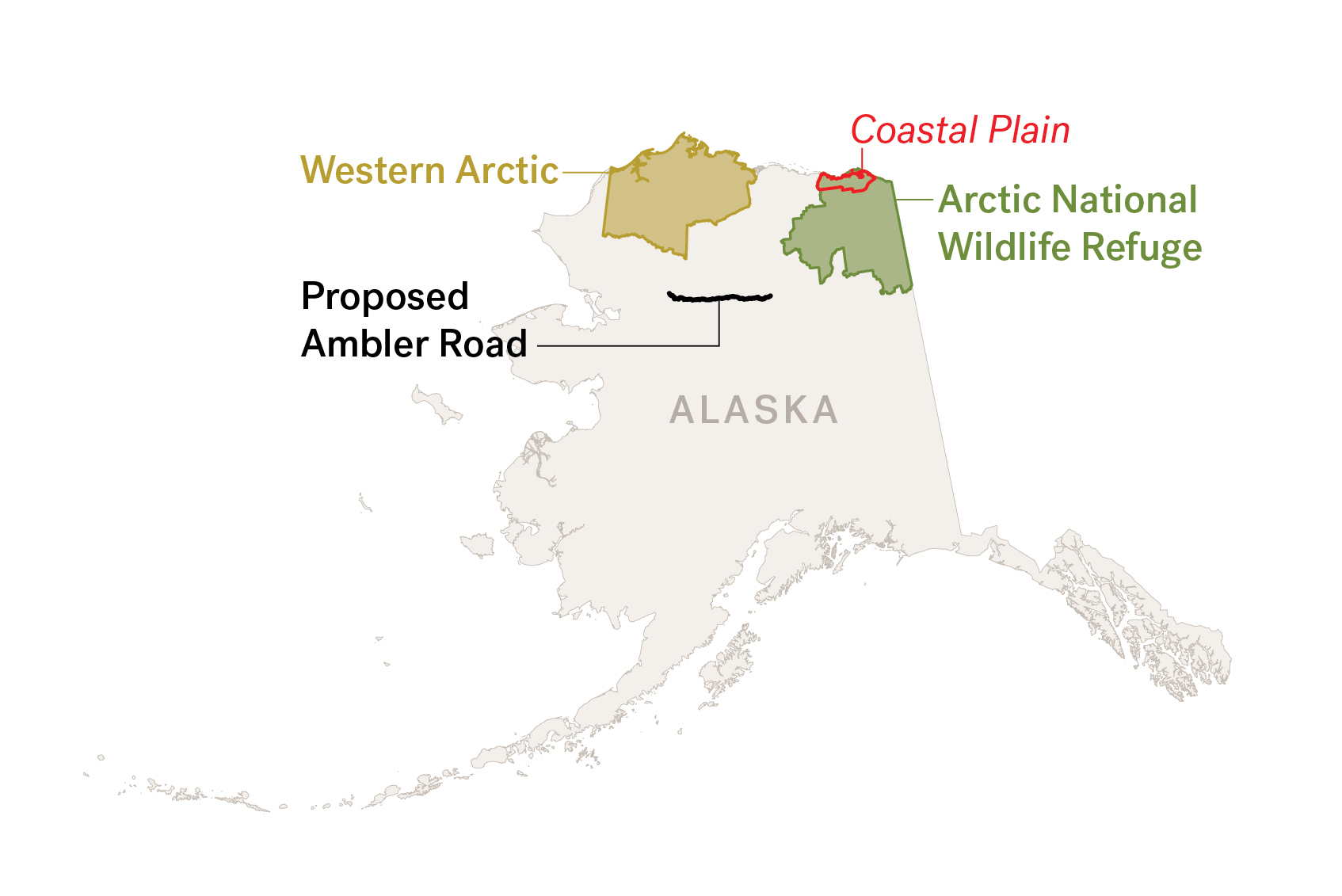
In the Arctic Refuge, that approach puts sacred lands and fragile habitat at risk. Oil and gas development could bring roads, airstrips, seismic testing, pipelines and drilling infrastructure into a landscape that has remained intact and wild since time immemorial.
That is why The Wilderness Society and leaders of 12 other conservation organizations have sent a letter to 11 oil company executives, strongly urging them not to bid on tracts in the sensitive coastal plain of the Arctic National Wildlife Refuge during the upcoming oil and gas lease sale.

A vibroseis truck (also called a "thumper truck) provides the source of energy for seismic surveys.
Sarah LaMarr, BLM
Why is the Arctic Refuge coastal plain important?
The Arctic National Wildlife Refuge is the largest national wildlife refuge in the United States and one of the last truly wild landscapes left on Earth. Its coastal plain is essential to the health of the refuge and the people and wildlife connected to it.
Each year, the Porcupine Caribou Herd migrates hundreds of miles to the coastal plain to give birth. These caribou sustain Indigenous communities across Alaska and Canada, including Gwich’in communities whose food security, culture and way of life are tied to the herd.
The coastal plain also provides habitat for denning polar bears, migratory birds and other Arctic wildlife, including musk oxen, iconic Arctic mammals that have roamed tundra landscapes since prehistoric times.
Drilling would fragment habitat, disturb wildlife and industrialize a place that should remain protected for communities, wildlife and future generations.

The Arctic Refuge is a critical calving ground for the Porcupine Caribou Herd
Moe Witschard

The Arctic Refuge is home muskoxen
Florian Schulz
Why is this lease sale part of a larger public lands threat?
The Arctic Refuge lease sale is not an isolated decision. It reflects a larger pattern of the current administration: weakening environmental protections, limiting public review and rushing leasing decisions that benefit oil and gas companies.
Across the country, public lands are being targeted for more drilling, mining and development. In the Arctic Refuge, that agenda is especially dangerous because the stakes are so high. Once roads, pipelines and drilling infrastructure enter the coastal plain, the damage to fragile ecosystems and tundra could be devastating.
Seismic testing requires massive industrial “thumper trucks”—some weighing up to 90,000 pounds—to cross fragile, snow-covered tundra. These operations would bring noise, traffic and increased human activity, crushing slow-growing vegetation essential for caribou survival and disturbing polar bear mothers and cubs hidden in dens beneath the snow. Roads, pipelines and drilling infrastructure would add even more pressure, fragmenting habitat and potentially disrupting caribou movement through calving and migration areas.
Pressuring oil companies not to bid
There is still a way to stop this destructive leasing push in the refuge.
Oil companies do not have to bid on Arctic Refuge leases. Banks and insurers do not have to finance or support drilling on the coastal plain. And people across the country can make clear that drilling in the Arctic Refuge is not worth the risk.
In fact, the Arctic Refuge lease sale held in January 2025 drew no bids at all. Years of pressure from Gwich’in leaders and conservation allies helped make drilling on the coastal plain a reputational, financial and legal risk: Some major banks have restricted financing for Arctic drilling and insurers have limited or ruled out support. Reuters reports that public relations concerns and high development costs have deterred companies from pursuing refuge leases.
The Wilderness Society will keep fighting for the Arctic Refuge
The Arctic Refuge has survived decades of drilling threats because people have refused to give up.
This struggle is about more than one lease sale. It is about Alaska Native communities continuing to thrive on lands held sacred, allowing wildlife to roam free, and ensuring irreplaceable parts of our natural heritage remain intact for future generations. Even for those who may never visit, the refuge represents a profound freedom: the knowledge that some places still remain beyond the reach of industrial development.
We will keep standing alongside these communities until the refuge is protected for good.
Some places are too important to drill. The Arctic Refuge coastal plain is one of them.
Tell oil companies: Do not bid on leases in the Arctic Refuge coastal plain.
