In pictures: What’s at stake in Grand Staircase-Escalante National Monument

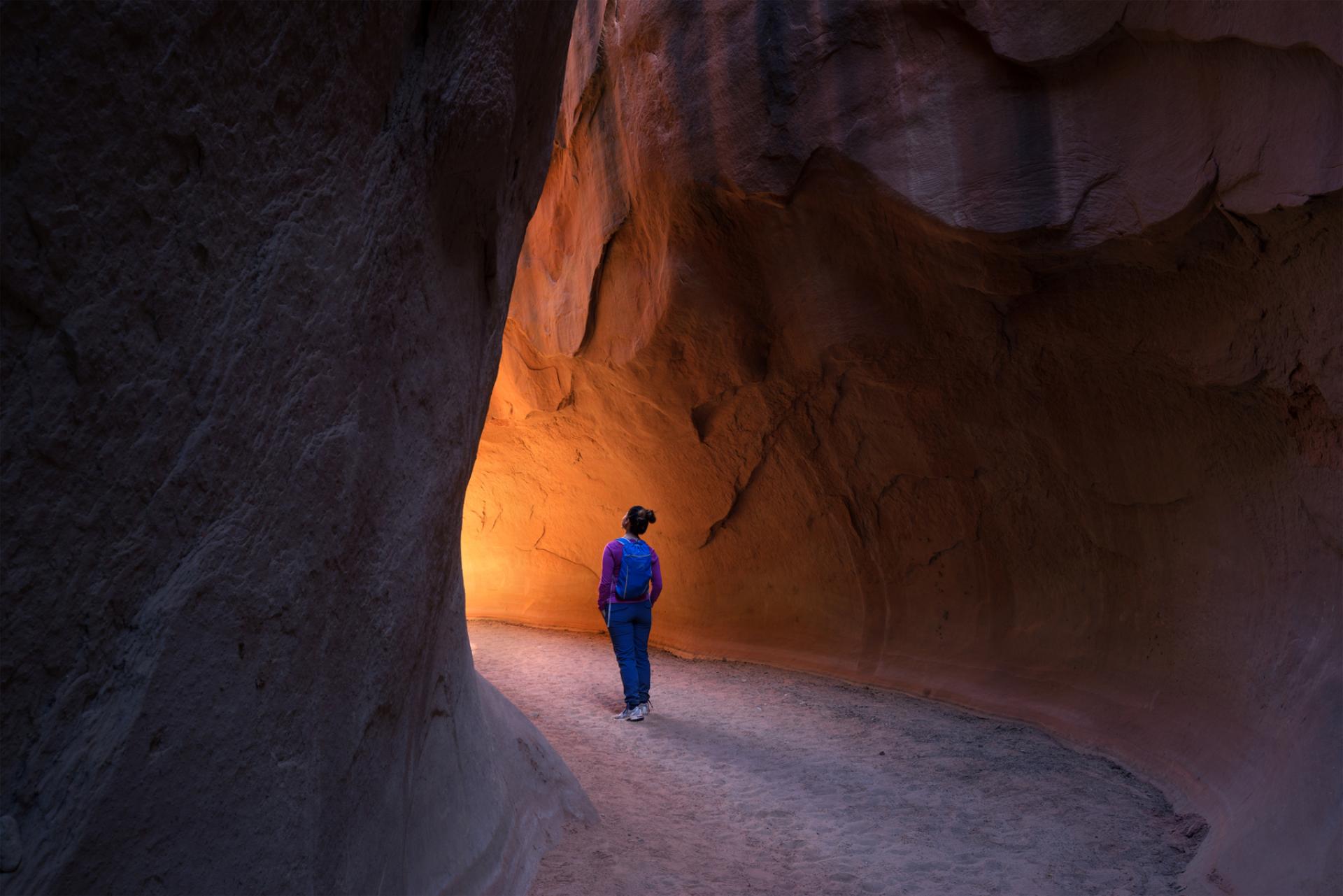
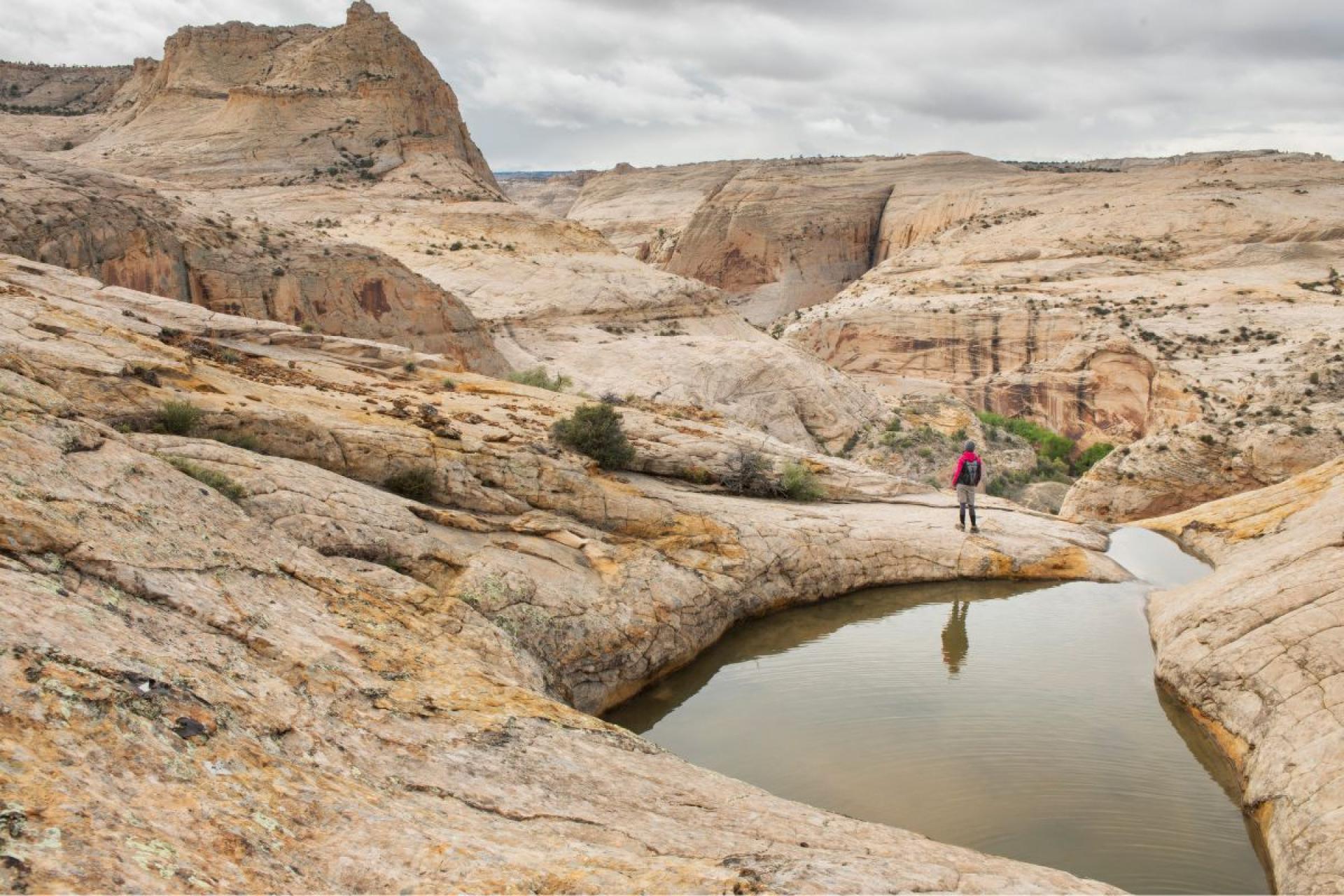
Grand Staircase-Escalante is home to one of Utah's most extensive networks of slot canyons
Tarpley, BLM
Sen. Mike Lee and the Utah delegation are attempting to gut monument protections
Congress is considering legislation that would unravel protections for Utah’s Grand Staircase-Escalante National Monument—a move that could clear the way for mining and drilling across one of our country’s most extraordinary landscapes.
Through an arcane law called the Congressional Review Act, Senator Mike Lee—who led a failed sell-off attempt last summer—and his Utah Congressional colleagues are trying to overturn Grand Staircase-Escalante’s 2025 monument management plan. This plan provides the blueprint for safeguarding cultural and archaeologic treasures, protecting diverse wildlife habitat and globally significant scientific sites, and ensuring present and future generations have the freedom to recreate within this renowned Southwest landscape.
Tribal Nations and local communities helped shape the plan, which took more than two years of collaboration to finalize. If Congress succeeds, the many voices that informed the plan could be silenced and its hard-won protections undermined. Unfortunately, this is part of a larger attempt by the Trump administration and its allies to weaken protections for our national monuments so that they can be opened to development and even sold off.
While we can describe the threat in words, it is the images that reveal what's at stake—the sweeping cliffs, quiet slot canyons and ancient horizons that make Grand Staircase-Escalante National Monument irreplaceable.
Take a visual tour of this remarkable land and see what we could lose we fail to defend it.
What's at stake in Grand Staircase-Escalante
1. The freedom to explore nature’s masterwork
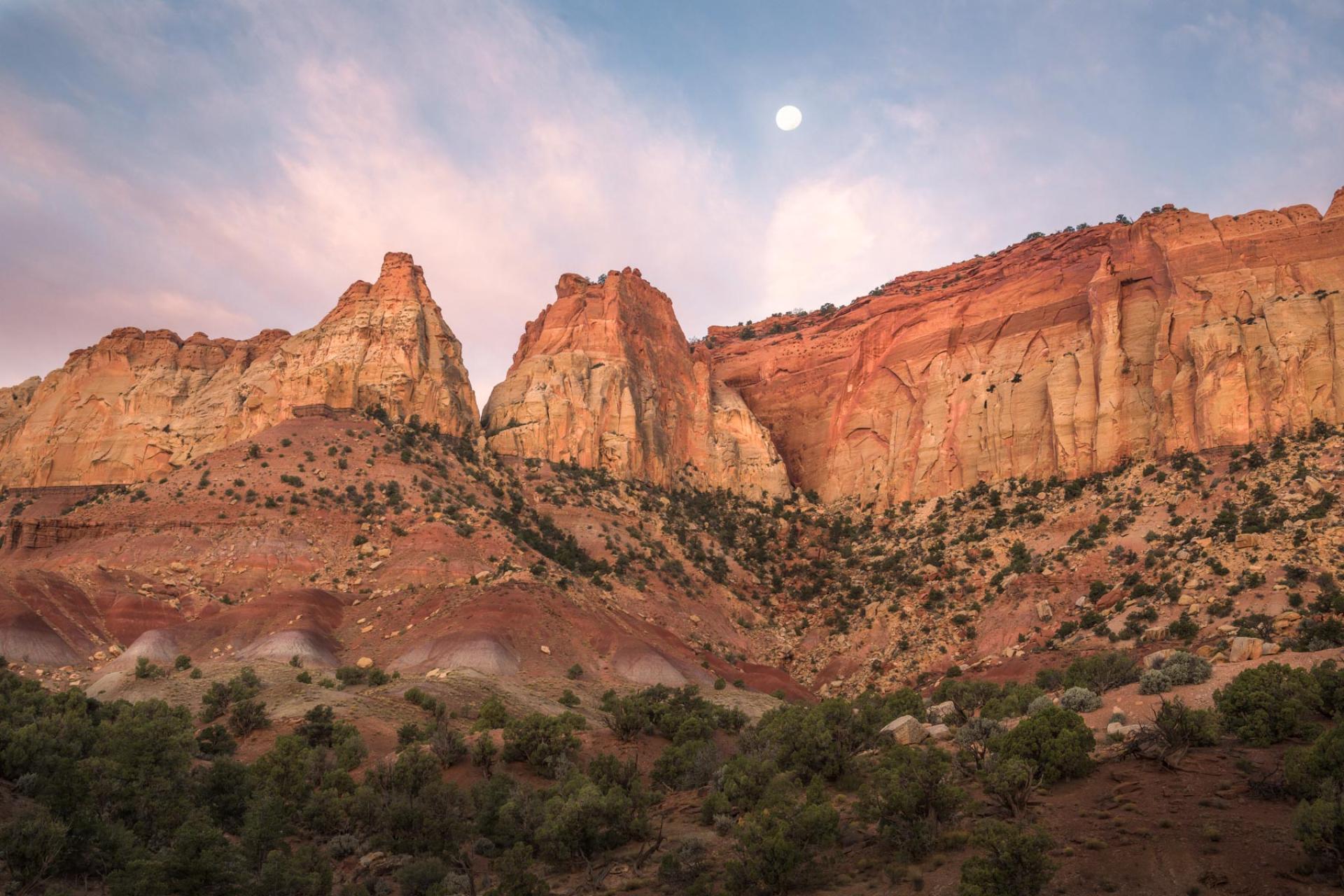
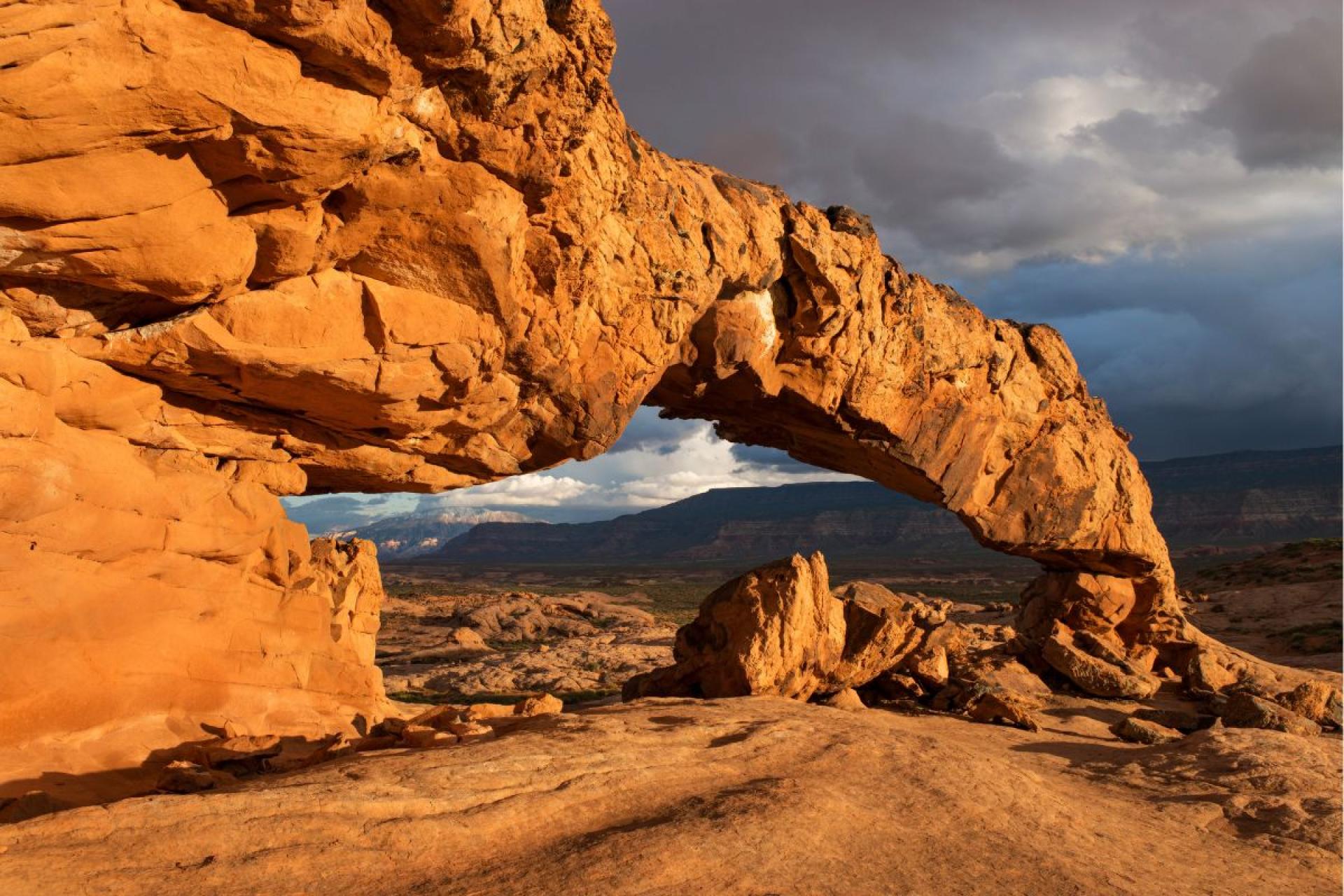
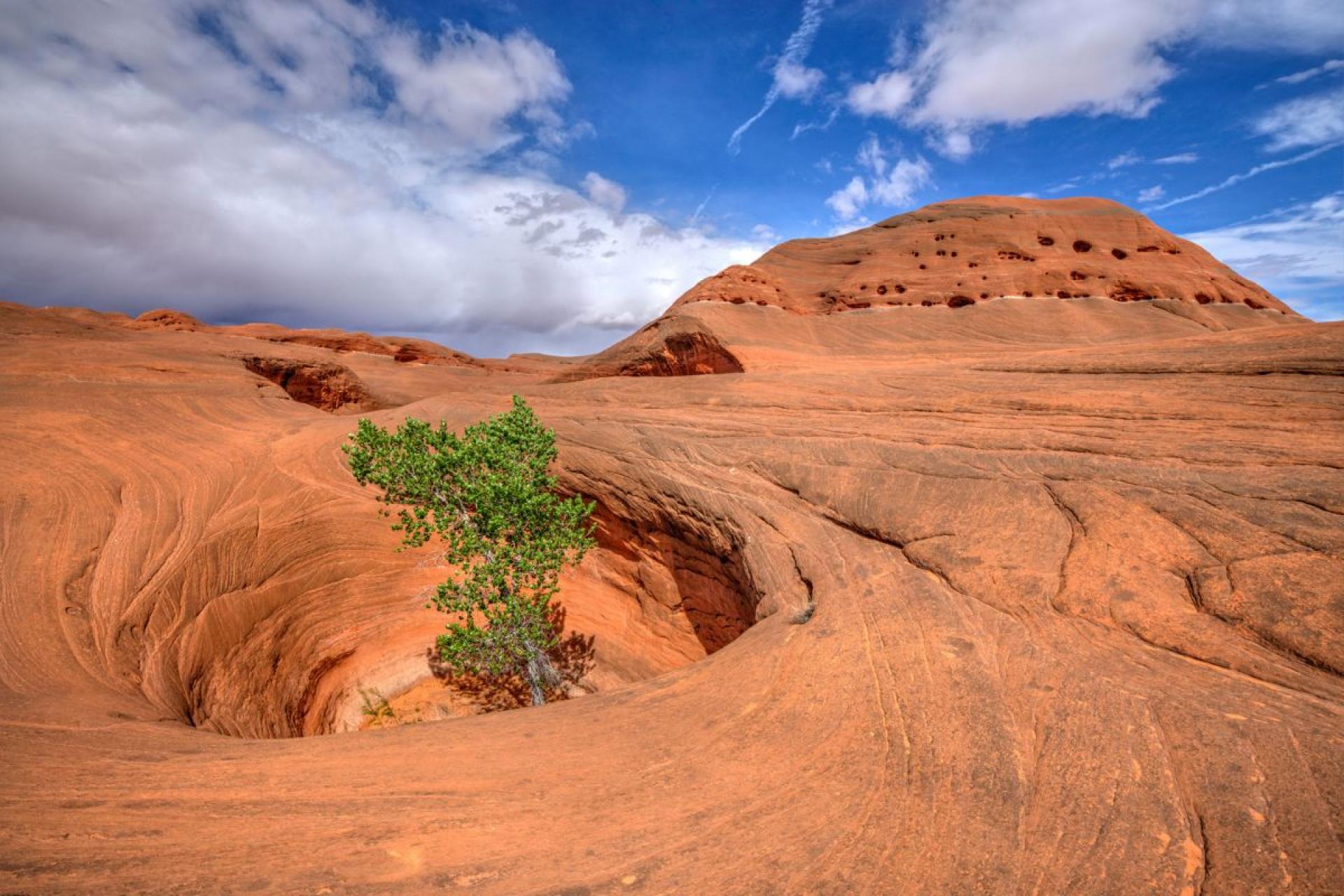
Imagine Bryce Canyon National Park without the crowds. Here, wind, water and time have sculpted dramatic cliffs, arches, hoodoos and vivid red-rock mesas. Vast, raw and rugged, the monument is also home to vast slickrock expanses and one of Utah’s most extensive networks of narrow slot canyons that invite exploration. In spring, hidden pools and trickling waterfalls create enchanting moments for hikers exploring the canyons. Quite simply, Grand Staircase-Escalante is an explorer’s paradise in the heart of the Colorado Plateau.

Hoodoos at Grand Staircase-Escalante
Eric Bennett

Grand Staircase-Escalante provides outstanding opportunities to explore redrock canyons.
J Tarpley, BLM
2. A remarkable record of Earth’s geologic past
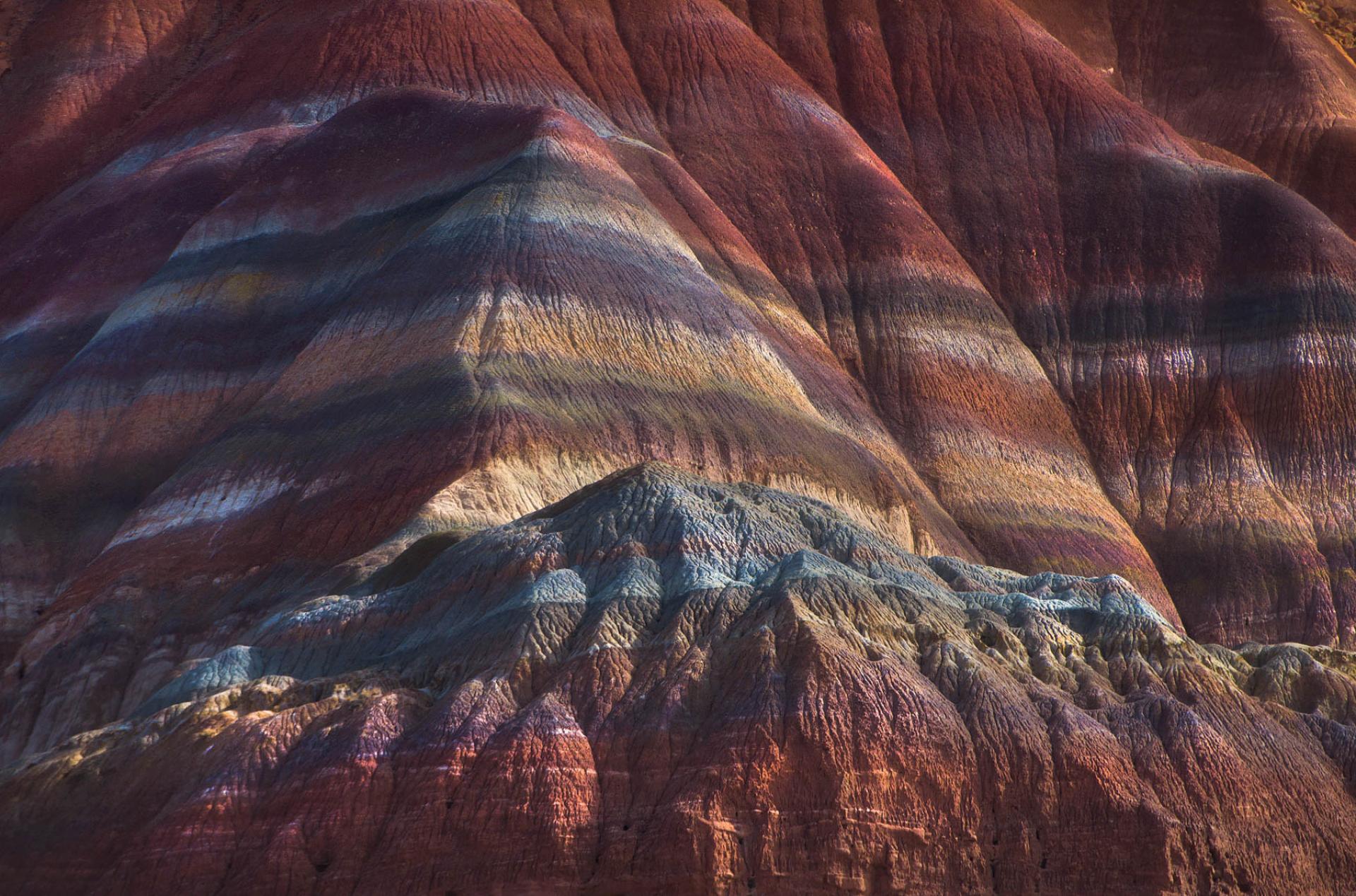
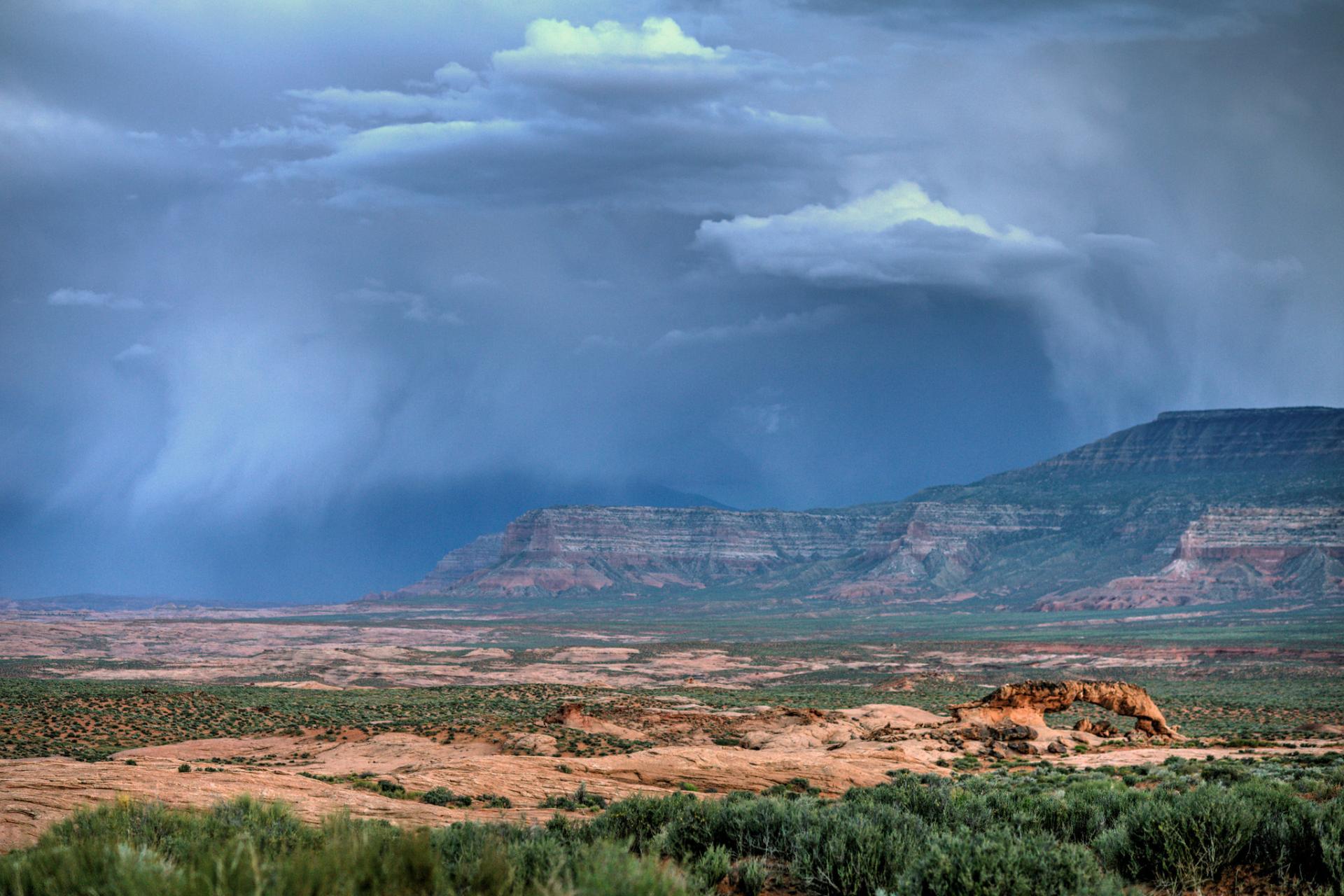
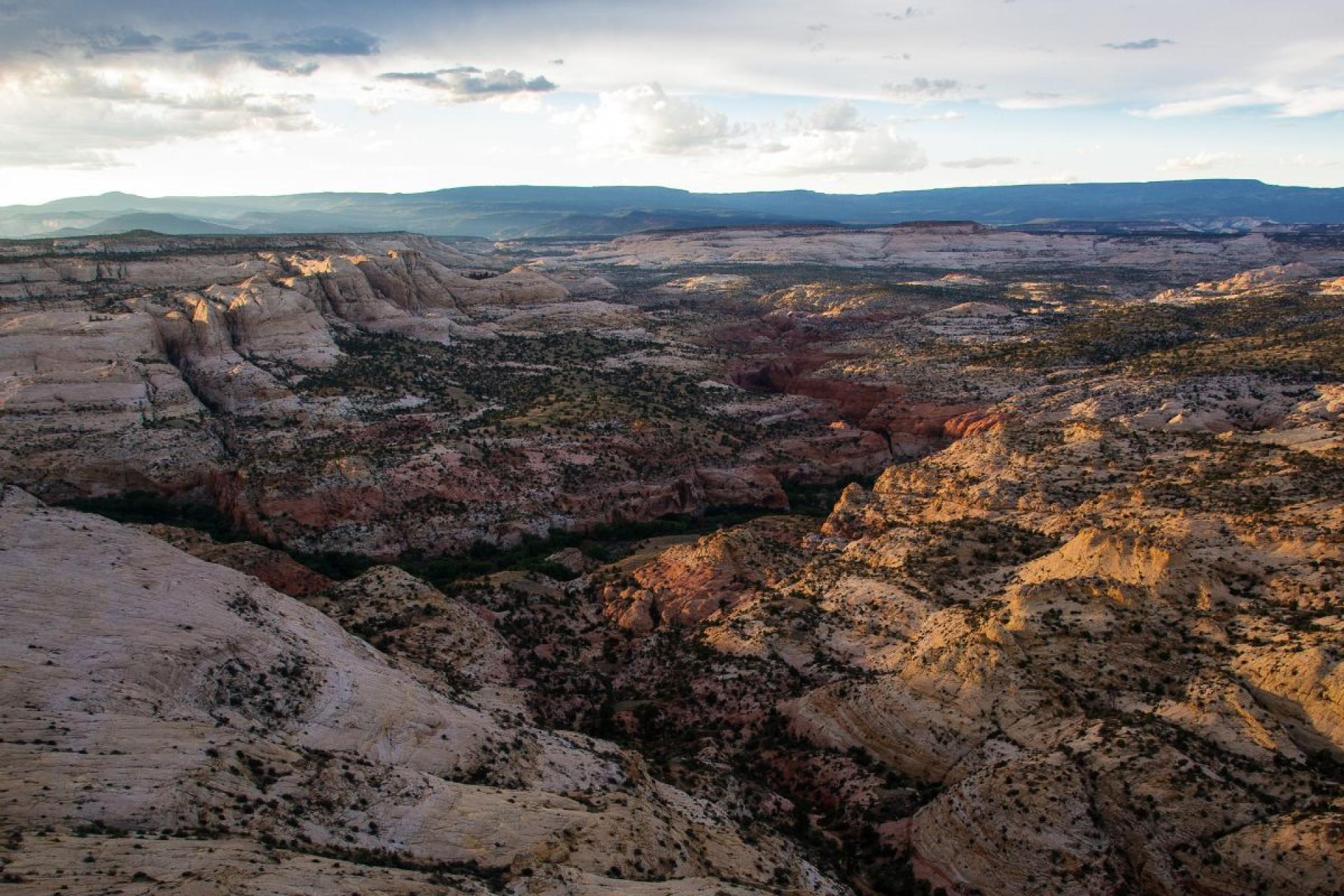
Grand Staircase–Escalante is a breathtaking tapestry of colorful cliffs, deep canyons and sweeping plateaus, each layer revealing millions of years of Earth’s history. Hoodoos and natural arches rise from the ground, while narrow slot canyons carve through red rock, giving the landscape an almost otherworldly feel. The monument’s name comes from its dramatic series of cliffs and plateaus that step southward toward the Grand Canyon like a giant natural staircase—each “step” exposing rock from a different geologic era.

Grand Staircase-Escalante National Monument
Tarpley, BLM

Hoodoos create an otherwordly vibe at Grand Staircase-Escalante
J Tarpley, BLM
3. Vital lands for tribal nations
Grand Staircase-Escalante’s lands were once home to the Ancestral Puebloan and Fremont peoples—and they’re still deeply meaningful to six Tribal Nations today. The Hopi Tribe, the Navajo Nation, the Kaibab Band of Paiute Indians, the Paiute Indian Tribe of Utah, the Ute Mountain Ute Tribe, and the Zuni Tribe, comprising the Grand Staircase-Escalante Inter-Tribal Coalition, have deep cultural and spiritual connections to these lands. They were critical to shaping the monument management plan that is now at risk. Continued access to ancestral sites—for ceremonies, prayer and gathering traditional plants is vital to keeping living traditions strong. Loss of protections could lead to destruction of sacred sites and even eventual privatization.

Petroglyphs at Grand Staircase-Esclante
BLM
4. Vulnerable archaeological sites
Across the canyons and plateaus of Grand Staircase–Escalante National Monument, you’ll find Native American petroglyphs, cliff dwellings, pottery fragments, and other sites left by the Fremont and Ancestral Puebloan peoples—alongside historic cattle trails and old ranching camps that tell a more recent story. These irreplaceable cultural sites—especially the Native American sites—have long faced threats from looting and vandalism. The monument’s management plan is designed to address those risks and better safeguard the landscape’s heritage for generations to come. Without it, we could lose all of it.

An ancient cliff structure
J Tarpley, BLM

Cliff ruins at Grand Staircase-Escalante National Monument
BLM
5. Globally-important dinosaur discoveries
Known as a living laboratory, Grand Staircase–Escalante is home to over 3,000 fossil sites. Since 2005 alone, paleontologists have identified 14 new dinosaur species within the monument, making it one of North America’s most prolific spots for discoveries, according to the Bureau of Land Management (BLM). “Fossil excavations have revealed more about ecosystem changes at the end of the dinosaur era than any other place in the world,” the BLM’s web site reports. Important discoveries continue today, including a site where paleontologists discovered tiny dinosaur eggs in 2023 and a well-preserved Tyrannosaurus rex discovered in 2022.

Researchers pause during a fossil excavation at the "Rainbows and Unicorns Quarry" within Grand Staircase-Escalante National Monument in 2018
Dr. Alan Titus via BLM, Flickr
6. A vivid tapestry of biodiversity
Arid deserts, pinyon-juniper forests, sagebrush flats, riparian zones and canyonlands combine to make Grand Staircase–Escalante a patchwork of habitats and one of the most biodiverse areas in the Southwest. Desert bighorn sheep, mountain lions, mule deer, numerous reptiles and over 200 bird species thrive here while lush riparian zones support various amphibians. Without protections, these delicate ecosystems—and the wildlife who call them home—are vulnerable to new mining projects.

Willdife thrive in Grand Staircase-Escalante's mix of ecosystems
BLM

Grand Staircase's patchwork of ecosystems gives rise to biodiversity at the monument.
J Tarpley, BLM

A riparian zone creates a green oasis in the monument.
J Tarpley, BLM
7. A thriving hotspot for bees
Home to over 600 bee species, Grand Staircase–Escalante is buzzing as one of the richest bee diversity hotspots in the U.S. About 50 of these species were new to science when discovered here. Remarkably, nearly as many bee species thrive within the monument as are found across the entire rest of the United States. Protected monuments provide exceptional opportunities for monitoring bee populations, according to the four-year bee study that documented this biodiversity.

More than 600 species of bees thrive at Grand Staircase-Escalante National Monument
Nationa Park Service
Overturning the Grand Staircase–Escalante National Monument’s protections would put at risk everything that makes this place extraordinary–it’s diverse wildlife, rich cultural heritage, fragile water resources and outdoor recreational opportunities across nearly 1.9 million acres.
We must stand together, not just for today, but so future generations can continue exploring this magical place and learning from its ancient stories.