
Our public lands are “Not for Sale”

Brown bears in Denali National Park, AK
Jacob W. Frank, NPS
These lands should be open and welcome for all
Since the arrival of the new administration, politicians in Washington have been hellbent on handing our public lands over to the highest bidder in the name of “energy dominance.” Right now, millions of acres are at risk of having vital protections stripped so they can be exploited for reckless drilling and mining.
But these public lands are central to who we are and how we live. From the tundra of the Arctic to the deserts of the Southwest, public lands offer us all the freedom of incredible recreation in vanishing habitats, while also providing critical life support in the form of clean air and water. As we’ve said time and time again, public lands belong in public lands—we cannot afford to lose them to industrialization and privatization.
We’ve published a new report, Not for Sale: The Fight for Public Lands, that highlights 10 places at high risk from current attacks. Take a quick look at those places below or read the full report here. When you’re ready, scroll down to tell Interior Secretary Burgum these places are not for sale!
America’s Arctic, Alaska
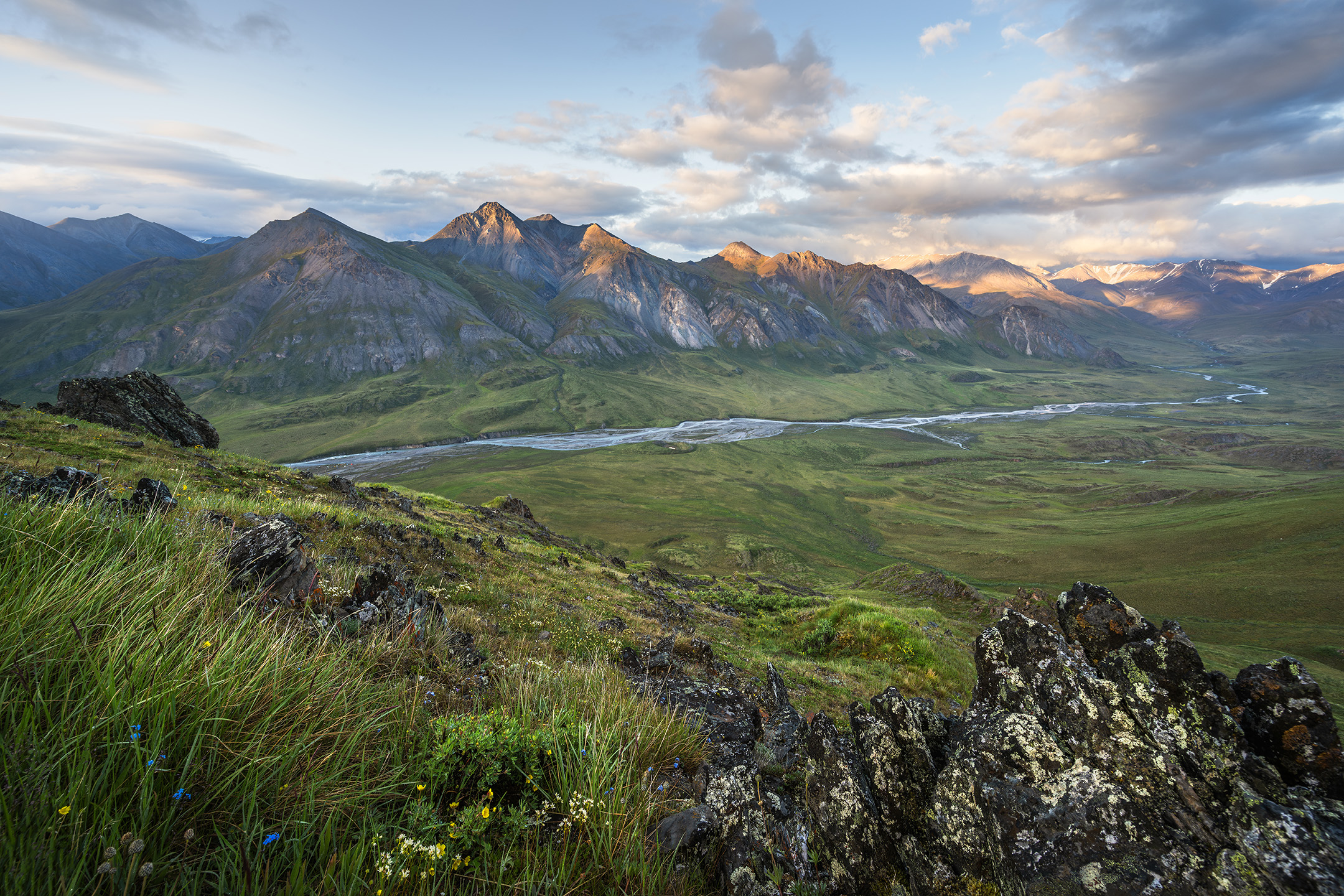
Photo by Mason Cummings
The Western Arctic and the Arctic National Wildlife Refuge are among the last truly wild public lands in America, sustaining both wildlife and Indigenous cultures. The administration and Congressional allies are working overtime to shred what few protections are in place for these places so oil giants can have free reign.
Baaj Nwaavjo I’tah Kukveni—Ancestral Footprints of the Grand Canyon National Monument, Arizona
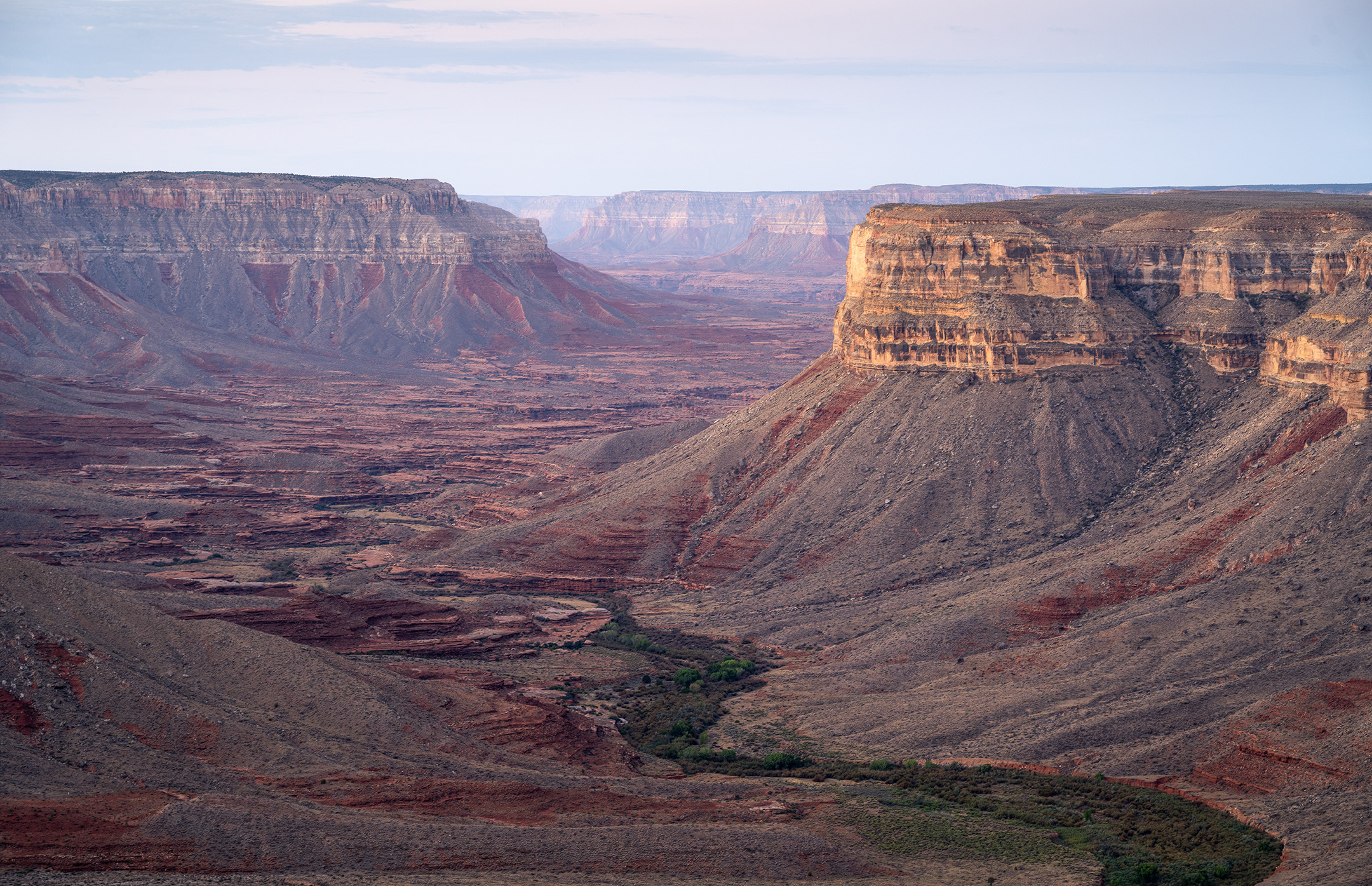
Photo by Mason Cummings
A compound name formed in both the Havasupai and Hopi languages, Baaj Nwaavjo I’tah Kukveni translates to “where Indigenous Peoples roam, our ancestral footprints.” Comprised of 917,000 acres near the Grand Canyon, this special area houses vital clean water, rare wildlife habitat and important cultural resources. Though it is one of the nation’s newest national monuments, it is already under attack as mining corporations claw to dig for radioactive uranium.
Ironwood Forest National Monument, Arizona
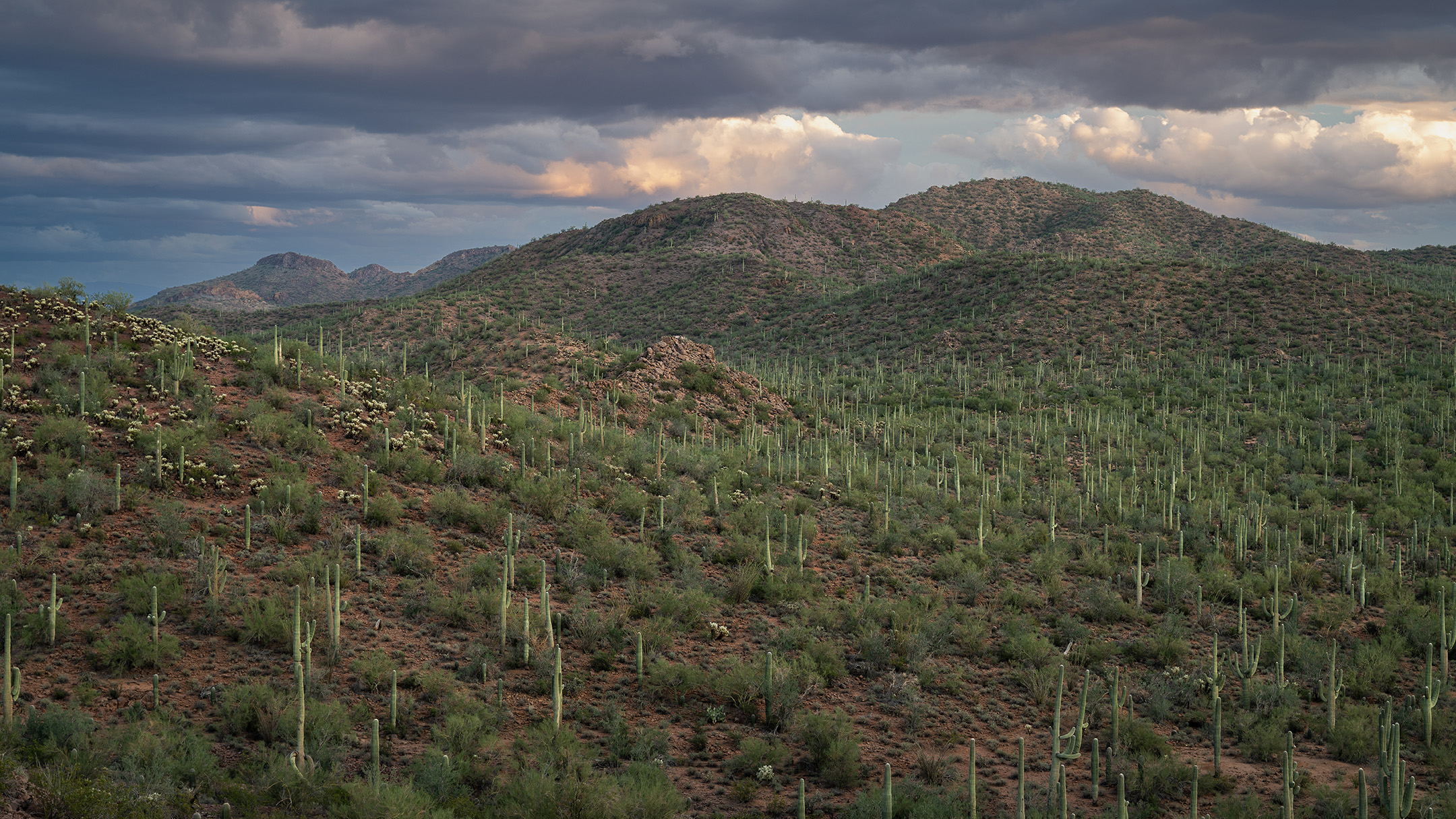
Photo by Mason Cummings
Designated over 25 years ago with broad community support, Ironwood Forest comprises 129,000 acres of vital habitat in the Sonoran Desert. The landscape contains thousands of ironwood trees, which can live up to 800 years old, and provides habitat for big horn sheep, desert tortoise and lesser long-nosed bats among other species. The Trump administration is reportedly targeting this place for destructive copper mining.
Western Colorado Canyons and Mesas, Colorado
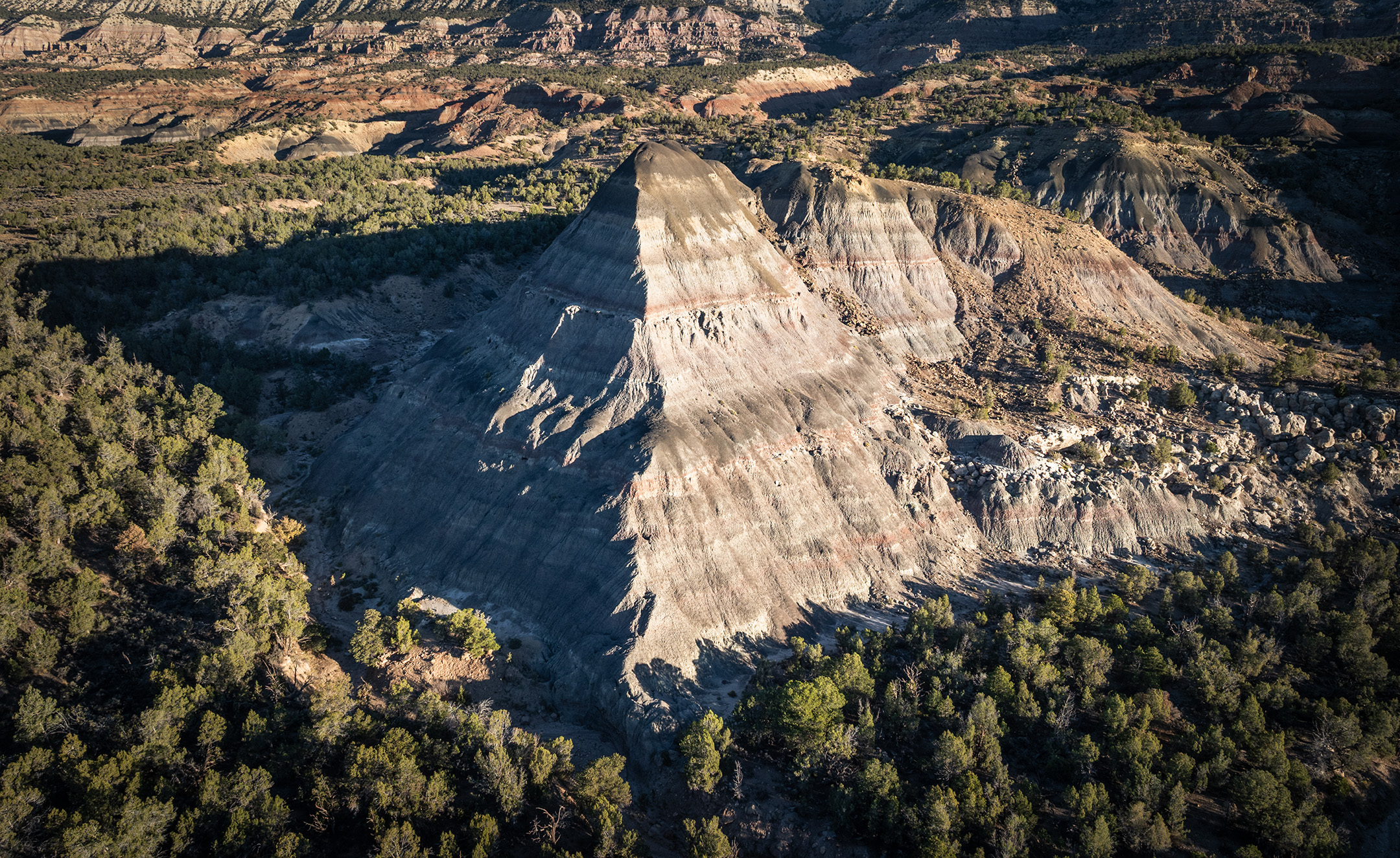
Photo by Mason Cummings
The traditional homelands for area Tribes, Western Colorado is home to an incredible intersection of mountains, rivers, canyons and high desert. The area is a treasured landscape for all sorts of recreation—fishing, hiking, hunting, rafting. The Colorado River itself is the lifeblood for both people and wildlife in the region alike. Congress is currently trying to overturn decisions affecting the region to open it for oil and gas leasing.
Boundary Waters Canoe Area Wilderness, Minnesota
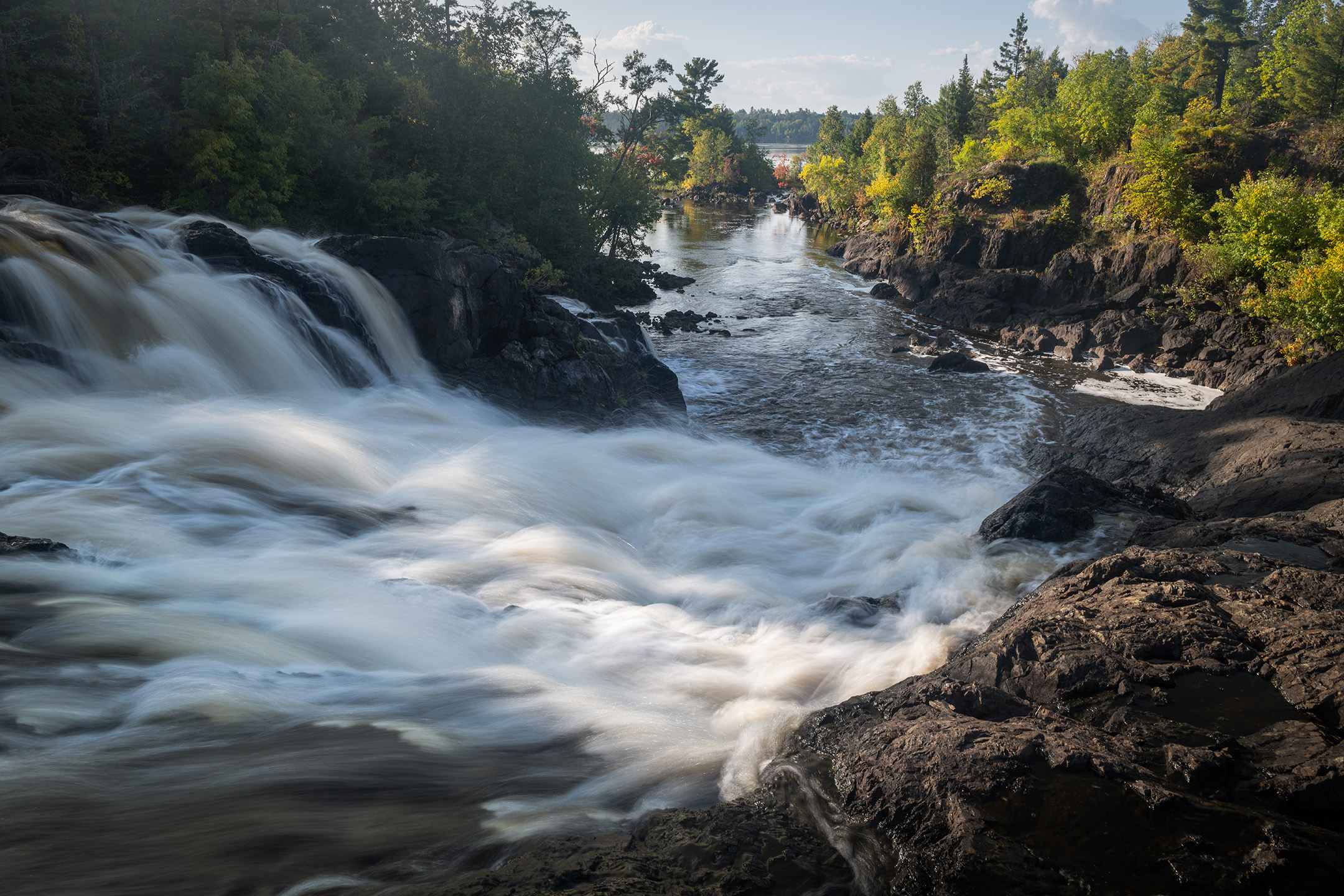
Photo by Mason Cummings
One of the nation’s most visited wilderness areas, the Boundary Waters is an incredibly vast and interconnected system of lakes, streams and rivers that spans 1 million acres. It is important habitat for all sorts of wildlife—included the beloved common loon—and provides important subsistence resources like wild rice to Indigenous Anishinaabe people. Congress and the administration are trying to overturn protections for the headwaters so they can be opened to toxic mining.
The Ruby Mountains, Nevada
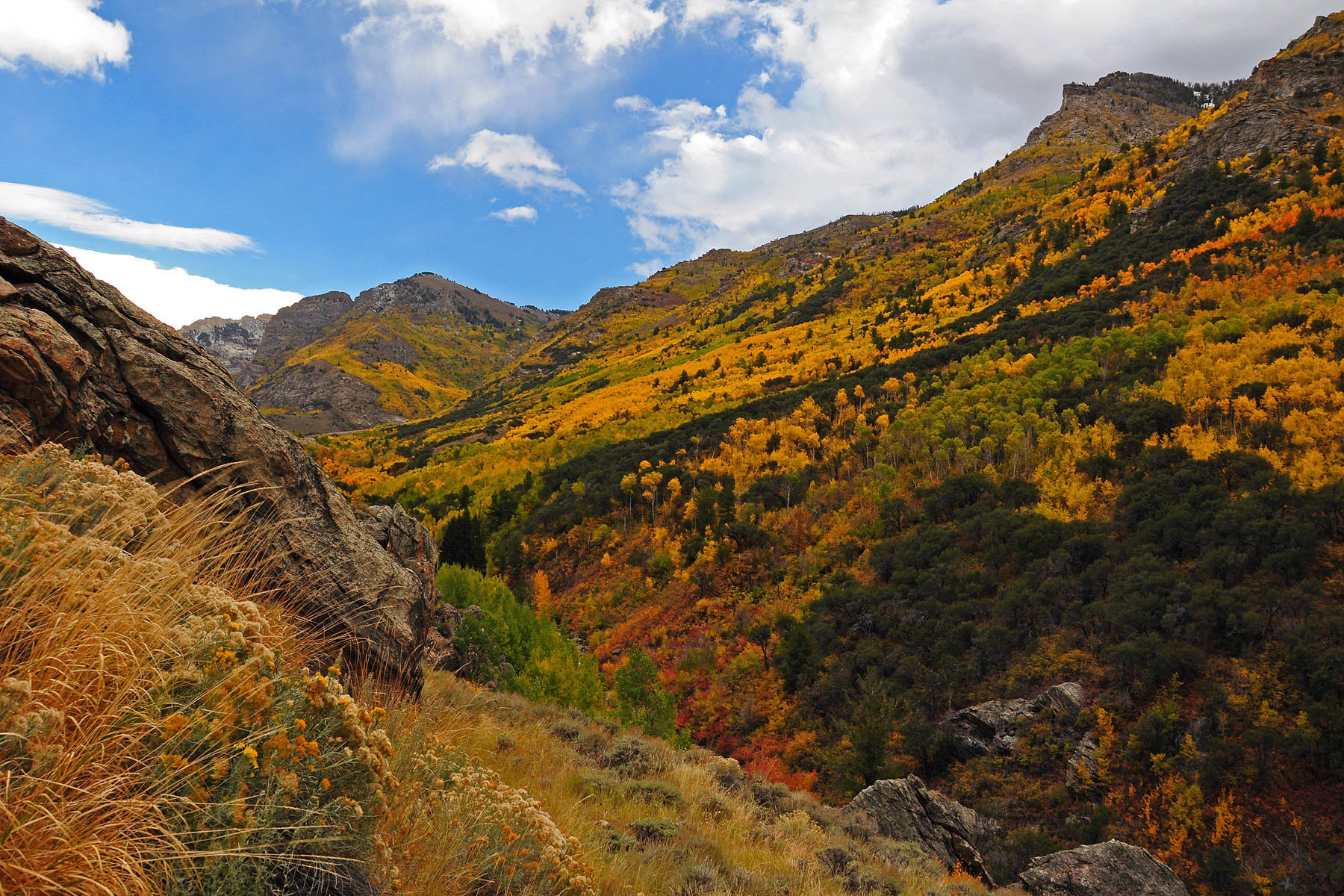
Photo by Susan Elliot, USDA via Flickr
Often called the “Swiss Alps of Nevada,” the Ruby Mountains are very popular for their unparalleled recreation opportunities, especially fishing and hunting. The region is home to the state’s largest mule deer herd and the threatened Lahontan cutthroat trout, and is also the ancestral homeland of the Te-Moak Tribe of the Western Shoshone Indians. Last year, the administration walked away from a proposal to ban drilling on nearly 264,000 acres of the landscape—despite little interest from the oil industry.
The Greater Chaco Region, New Mexico
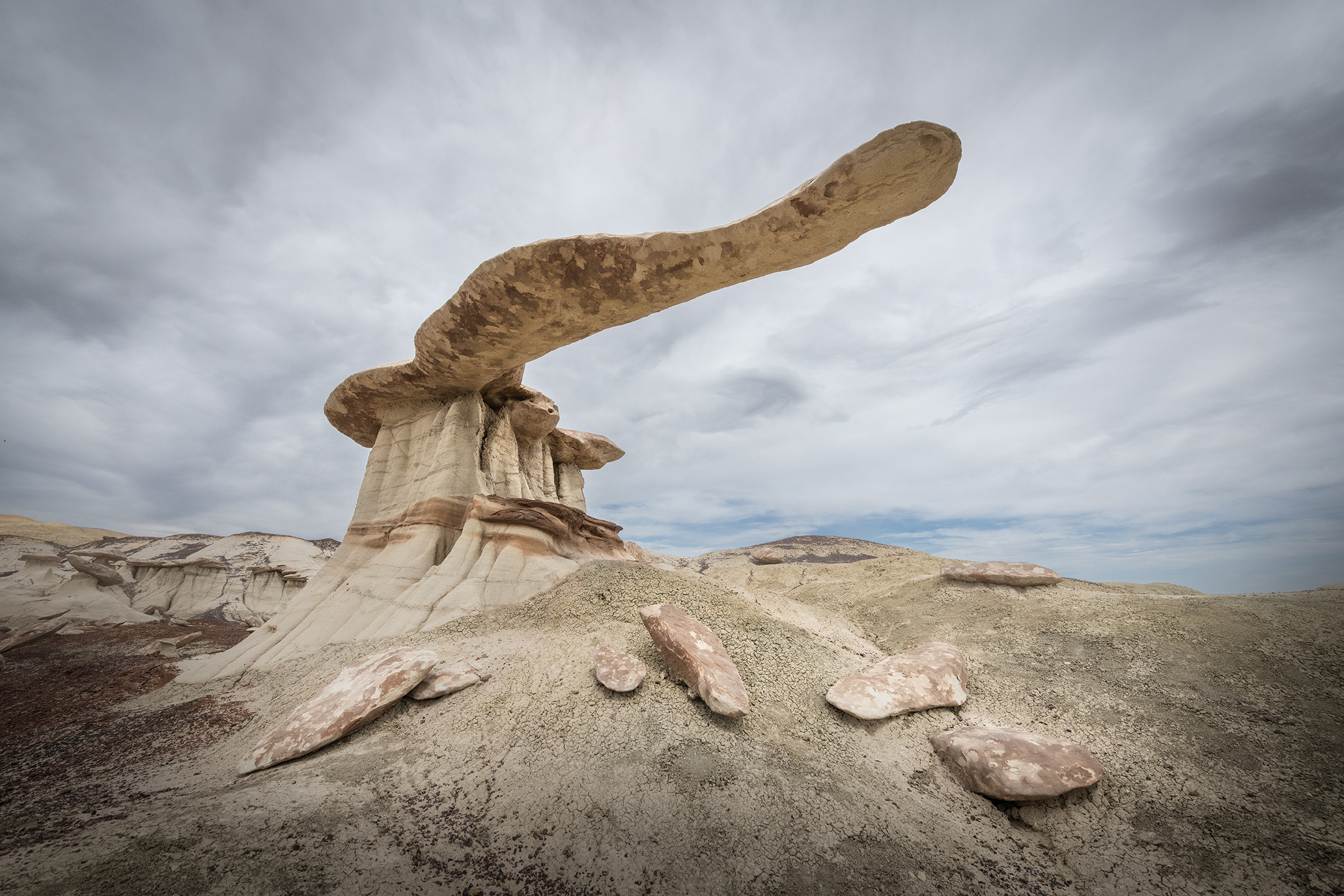
Photo by Mason Cummings
The area surrounding the Chaco Culture National Historical Park (Chaco Canyon) is a sacred landscape that has been important to the ongoing cultural practices of the Pueblo, Hopi and other Indigenous peoples throughout the Southwest since time immemorial. But in recent years, more than 90% of public lands in the area were leased for drilling—which led a moratorium on new projects to be put in place in 2023. That moratorium is now in jeopardy, as the administration is “reviewing” all mineral withdrawals on public lands for potential repeal.
Bears Ears National Monument, Utah
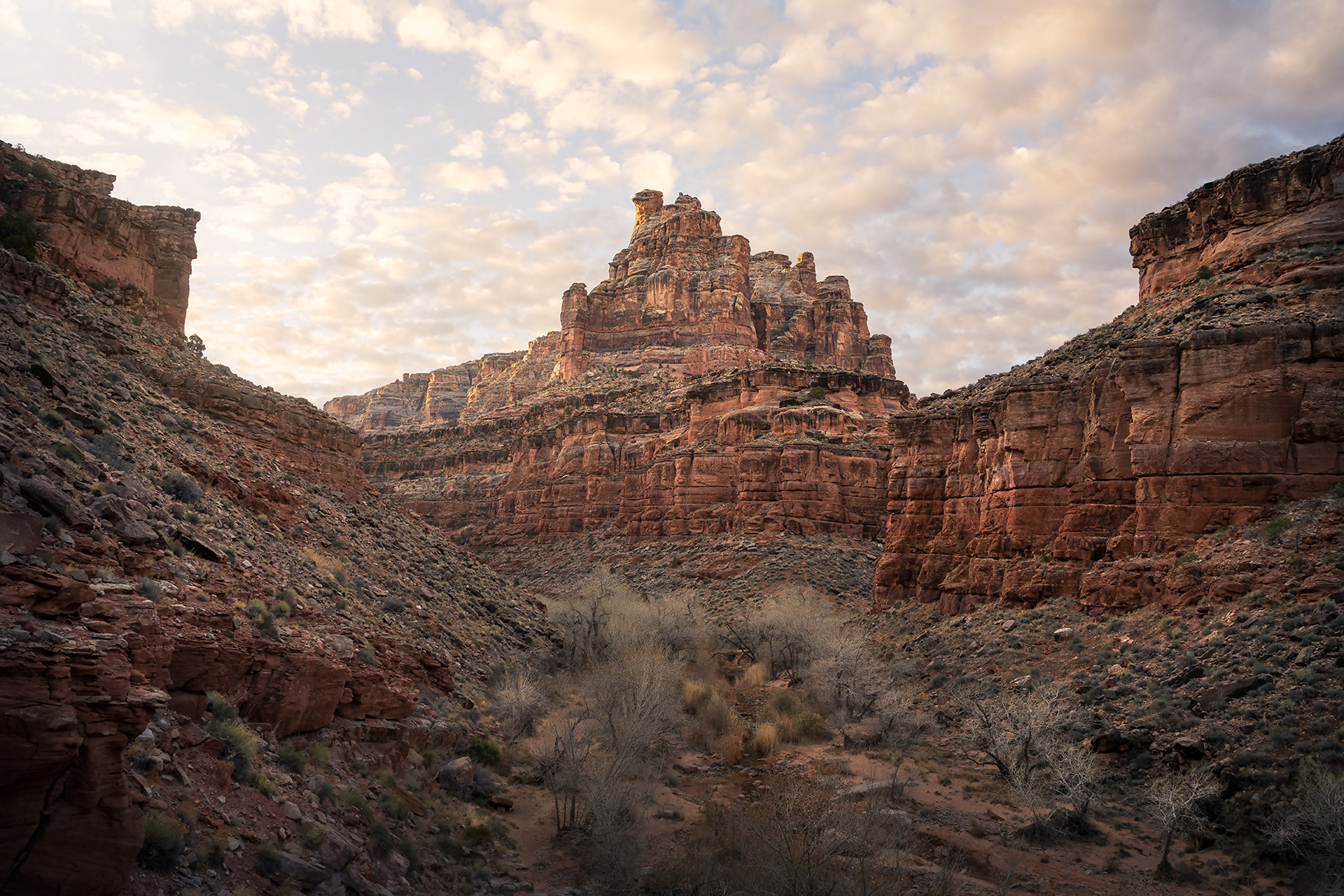
Photo by Mason Cummings
Established in 2016, Bears Ears houses more than 100,000 archaeological and ancestral sites that are associated with Tribal stories and traditions, including remarkably well-preserved cultural resources like petroglyphs and ancient dwellings. It was the first national monument to be designated at Tribal request and is set to be co-managed with an intertribal commission. But the monument has been a target for the Trump administration since his first term—it is once again at risk of being sacrificed for uranium mining.
Grand Staircase-Ecalante National Monument, Utah
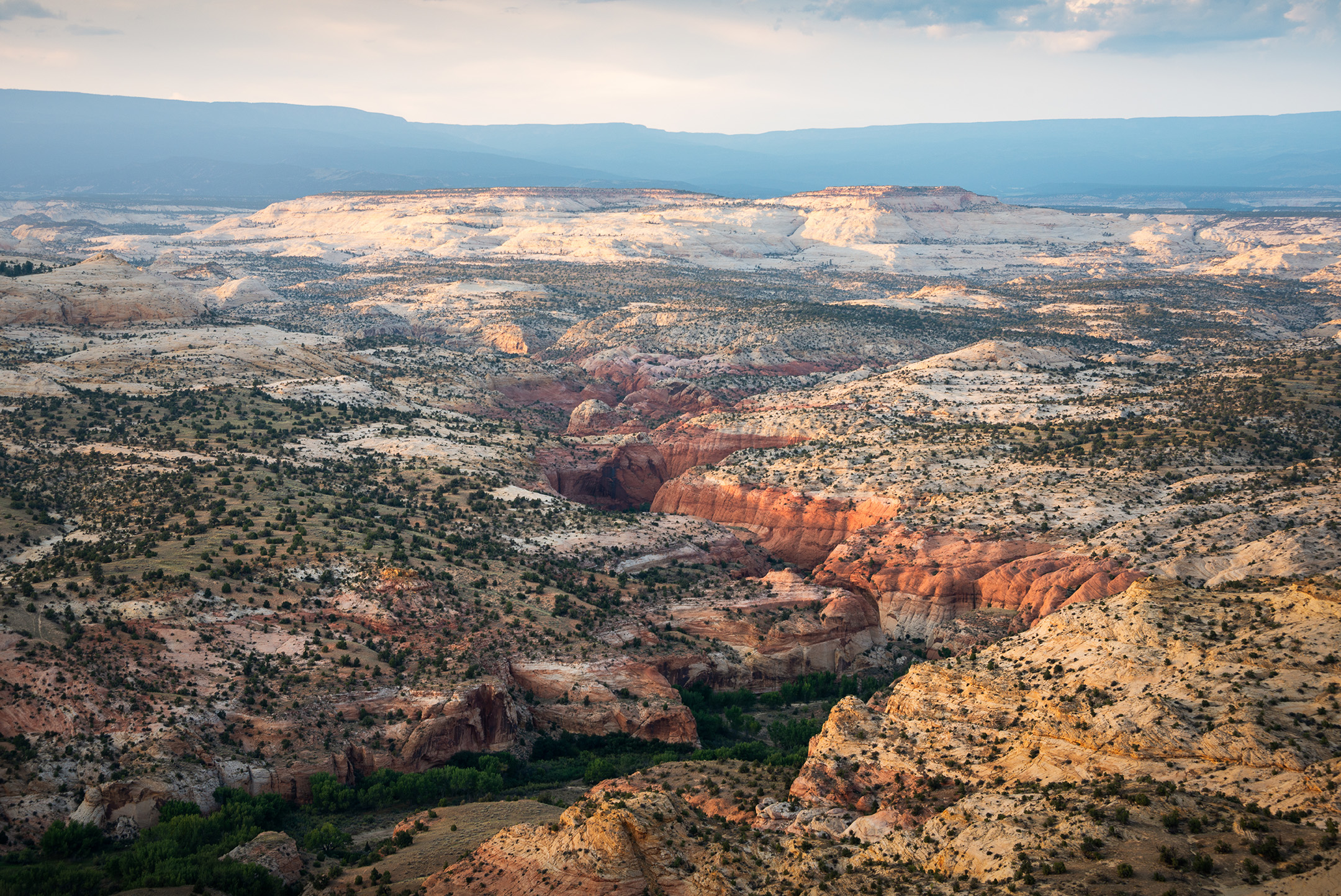
Photo by Mason Cummings
Stretching across 1.8 million acres of rivers, towering slot canyons, stunning red-rock arches and epic sandstone walls, Grand Staircase-Escalante is a vibrant landscape steeped in history. It’s been called the “Science Monument” because it houses resources that are vital to understanding southwestern landscapes and has one of the highest concentrations of dinosaur fossils in the world. It has also been an important gathering place for many tribes since time immemorial. Like Bears Ears, it is a recurring target of the Trump administration that is once again at risk of being cracked open for drilling and mining.
The Northern Red Desert and Big Sandy Foothills, Wyoming
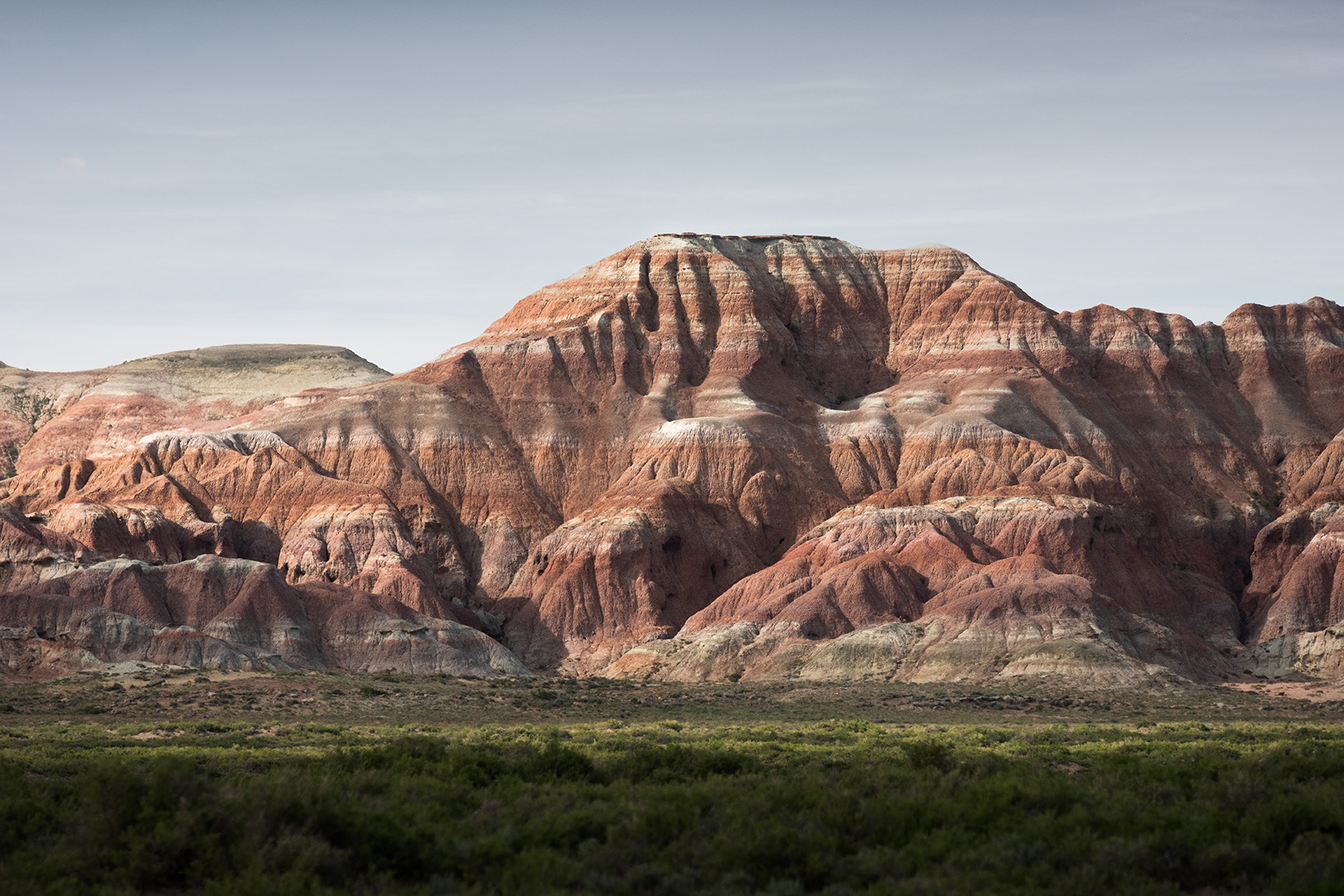
Photo by Mason Cummings
The southwest corner of Wyoming is home to one of the most vast, wide-open stretches of public lands in the nation. These colorful badlands are home to the world’s largest known pronghorn migration corridor as well as mule deer, elk and imperiled bird species like burrowing owls, golden eagles and sage-grouse. The Eastern Shoshone, Northern Arapaho, Ute, Crow and Northern Cheyenne have all relied on these lands, which are popular today for (often solitary) recreation. This unique region is at risk of being lost to drilling, as the administration has re-opened a widely celebrated management plan for revision or repeal.


