
9 public lands to visit for spring colors

Carrizo Plain National Monument, CA
Kevin McNeal
As temperatures rise, public lands come alive with spring color
Winter can be beautiful outdoors... but let’s be honest, most of us are more than ready to say goodbye to the cold. Luckily, spring is finally here. With warmer weather comes vibrant colors, blooming flowers and endless opportunities to enjoy the outdoors on our nation’s public lands.
Here are some beautiful places for you to consider visiting this, or next, spring!
Carrizo Plain National Monument, California
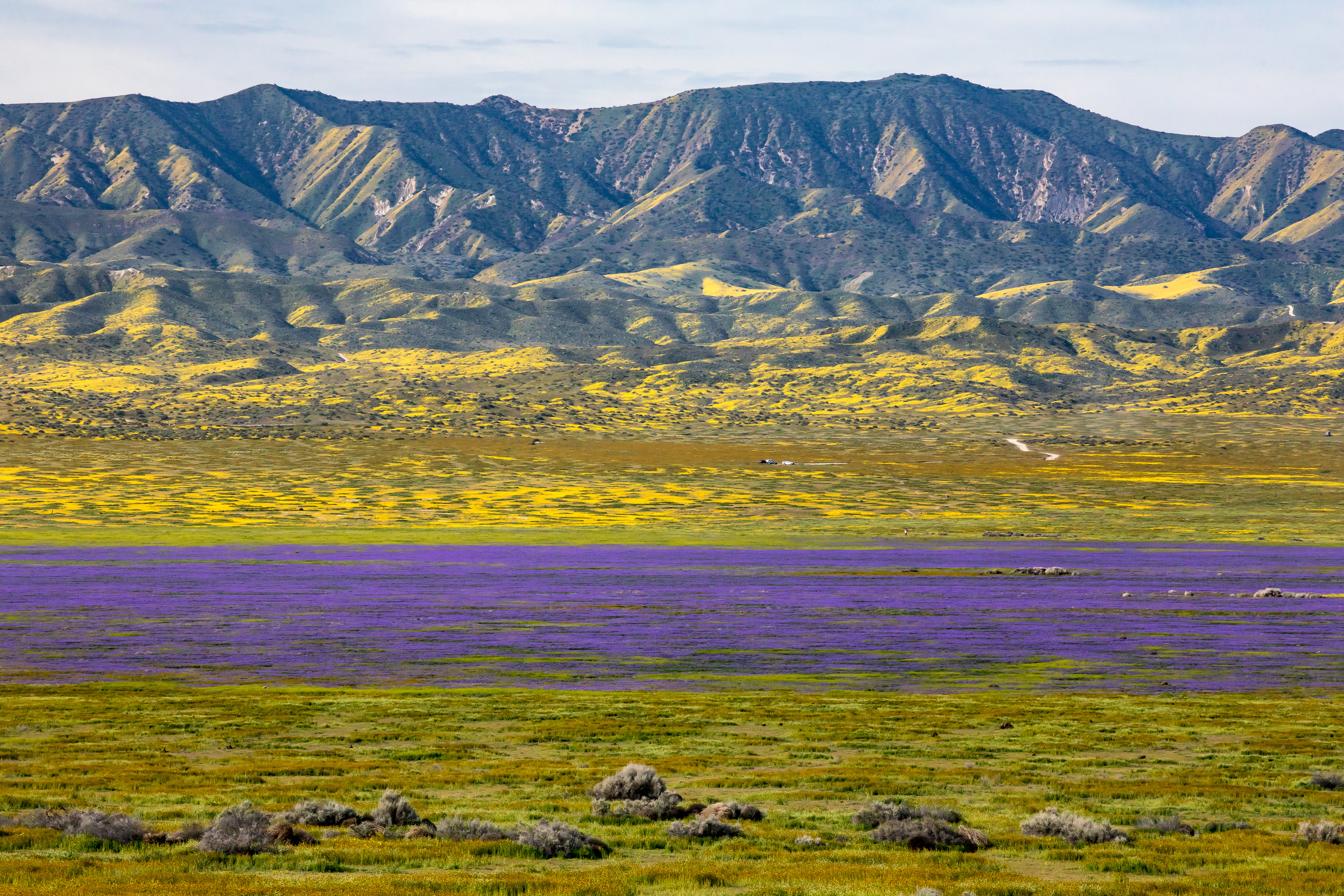
Credit: Bob Wick, BLM
Each spring, the grasslands of Carrizo Plain National Monument, just a few hours from Los Angeles, burst into a rainbow of wildflowers—purple, orange, yellow and more. Plan to visit toward the end of March, when the superbloom usually peaks (but check online as it could change), and please stay on trails and avoid trampling the flowers, which are a vital part of this unique California valley ecosystem.
Big Bend National Park, Texas
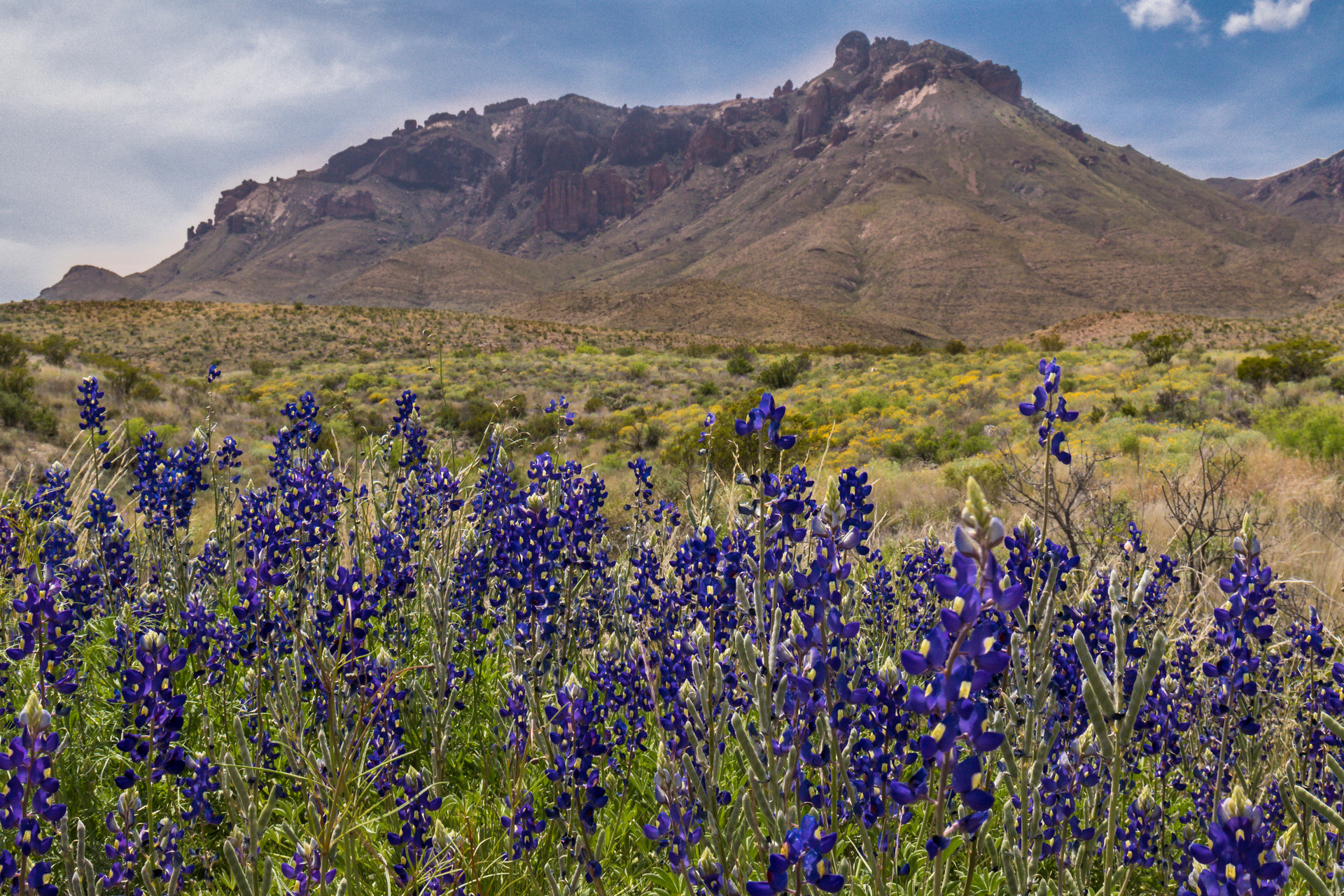
Credit: Outward_bound, Flickr
Spring transforms Big Bend National Park in West Texas into a desert floral wonderland with desert marigolds, bluebonnets and ocotillo blooming across canyons and riverbanks. The park has over 1,200 plant species—some bloom in early spring while others, like the yellow flowers of the summer monsoons, arrive later. Spring is one of the park’s busiest seasons, so make sure you plan ahead and be prepared.
Organ Pipe Cactus National Monument, Arizona
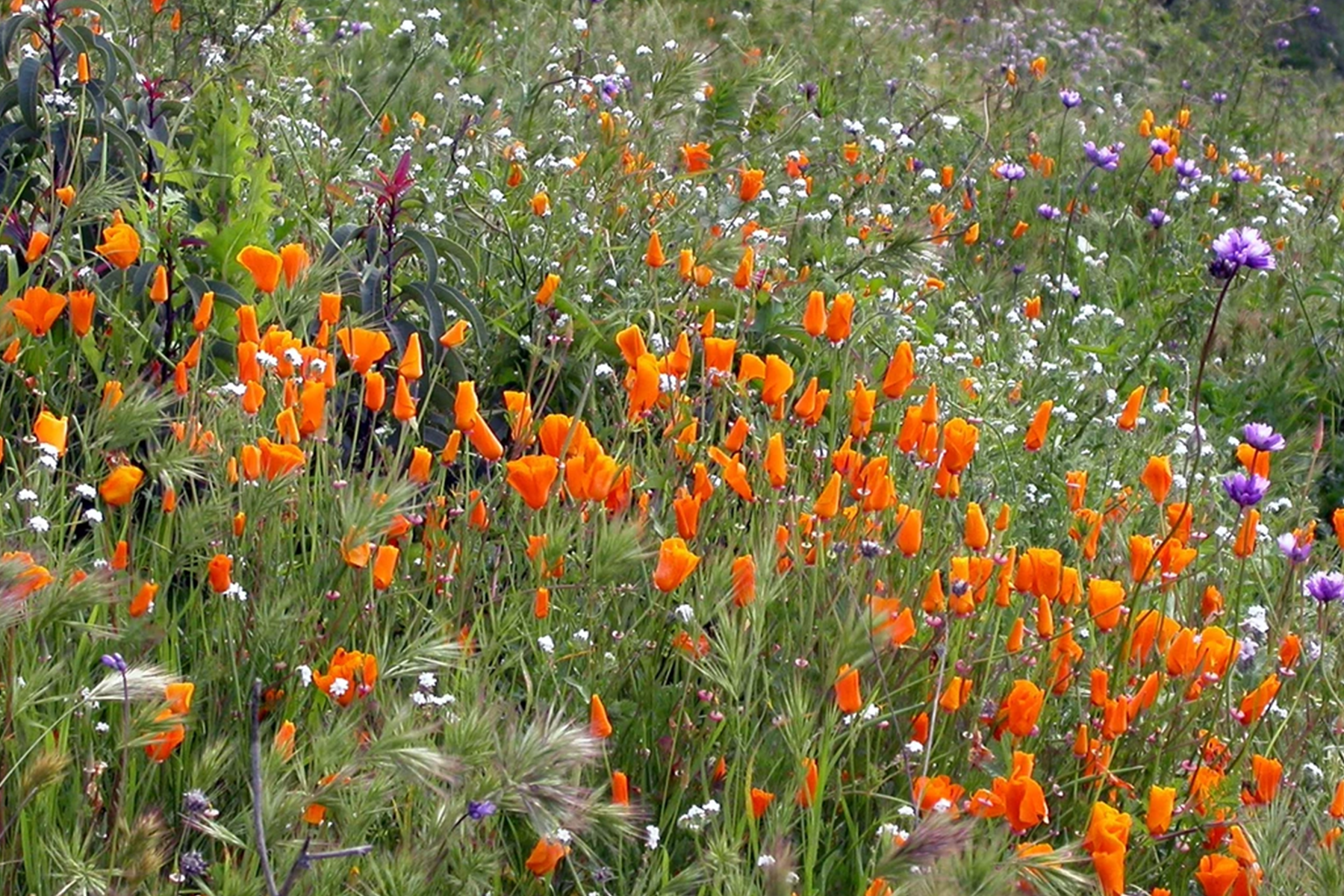
Credit: NPS
Spring in Organ Pipe Cactus National Monument brings a burst of color to the Sonoran Desert. Mexican gold poppies, desert lupine and brittlebush bloom across rocky hillsides and desert valleys. February through early April is typically the best time to catch the blooms before temperatures begin climbing toward summer heat.
National Mall and Memorial Parks, Washington, D.C.
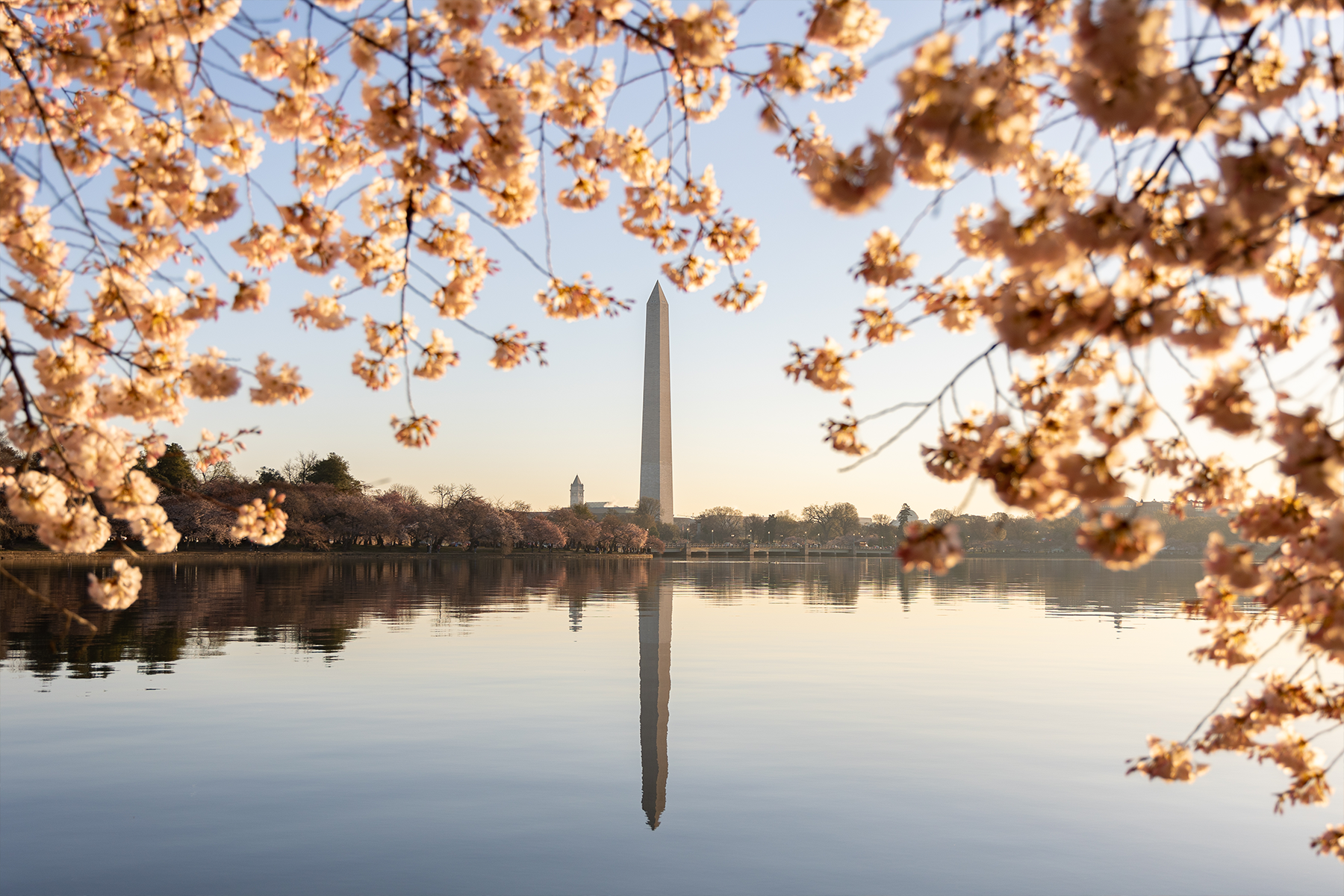
Credit: Kelsey Graczyk, NPS
One event brings hundreds of thousands of people to the nation’s capital each spring: the cherry blossoms around the Tidal Basin. These famous trees were a gift from Japan in 1912, and they signal the arrival of spring in Washington, D.C. It’s one of the most popular times to visit the city, so plan ahead and expect crowds during peak bloom.
Death Valley National Park, California & Nevada
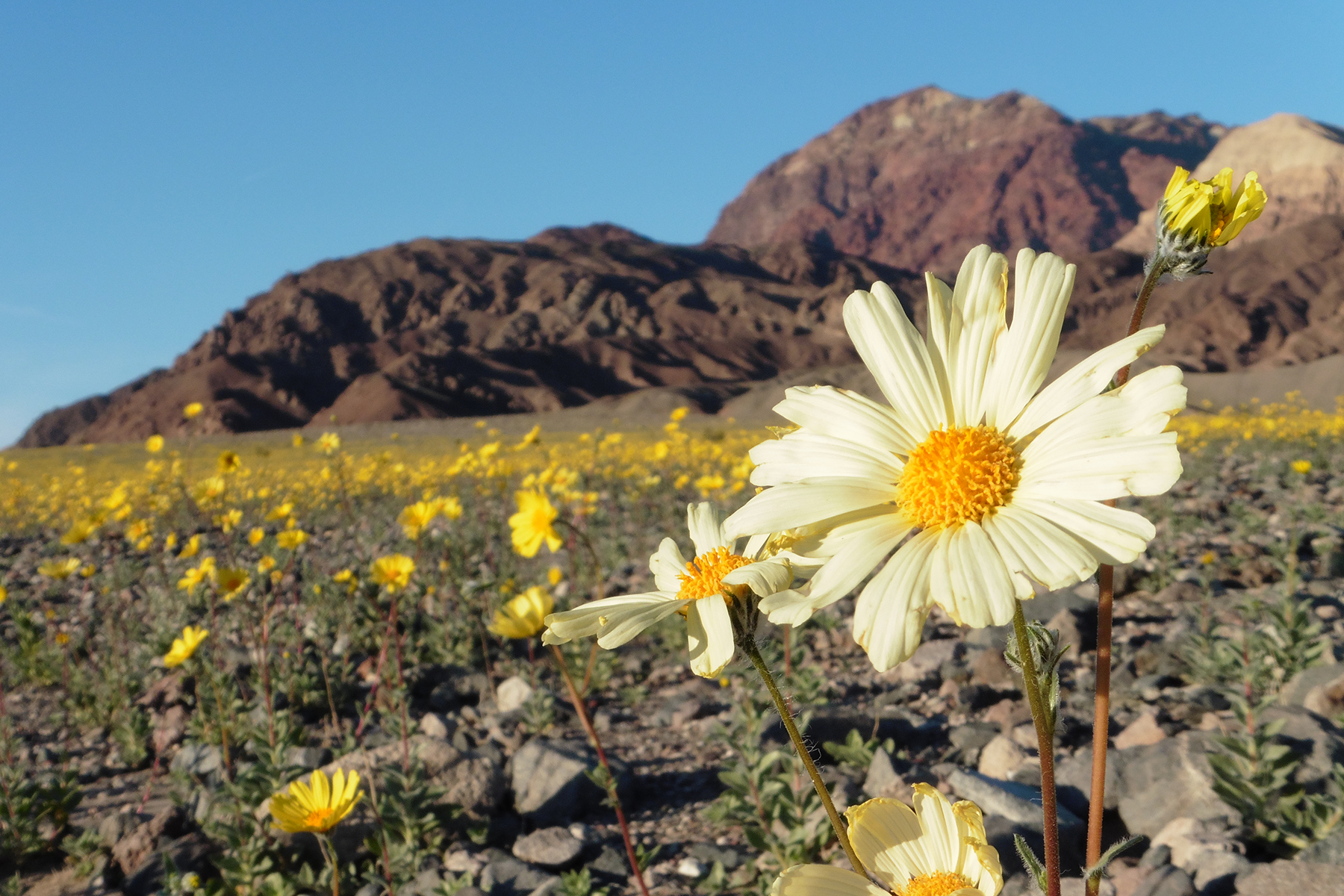
Credit: Alan Van Valkenburg, NPS
Talk about a dramatic change... Wildflowers like desert gold, primrose and sand verbena can blanket Death Valley’s floor in color, especially after a wet winter. Temperatures are also far more comfortable this time of year, making spring one of the best seasons to explore the park’s vast desert landscapes.
Great Smoky Mountains National Park, Tennessee & North Carolina
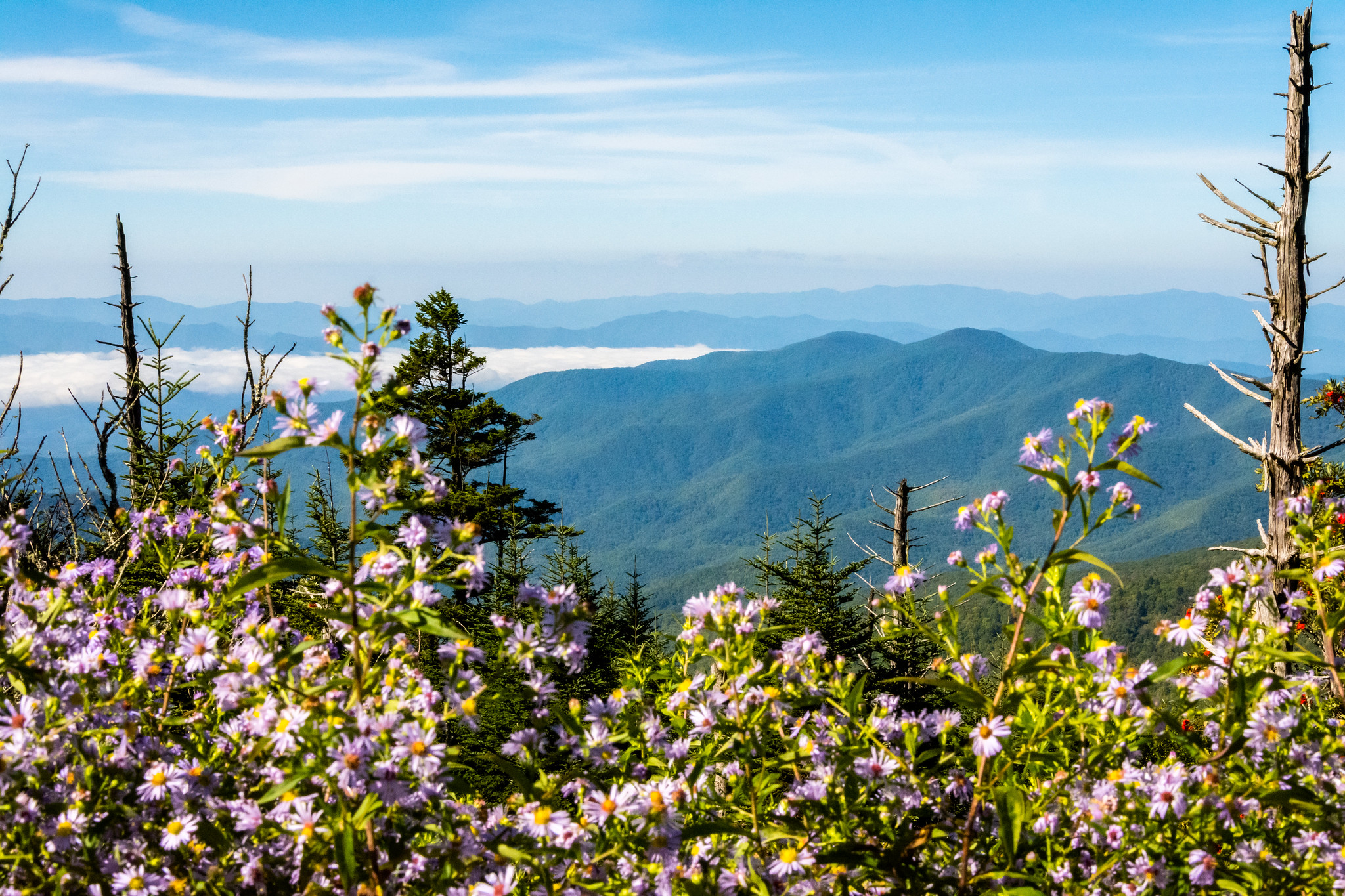
Credit: Domenico Convertini, Flickr
Nicknamed the “Wildflower National Park,” Great Smoky Mountains is home to more than 1,500 kinds of flowering plants—more than any other North American national park! From late March through May, trillium, violets and lady’s slippers dot forest floors and line hiking trails throughout the mountains. The park also hosts the Spring Wildflower Pilgrimage, a week-long festival of programs, guided walks and hikes.
Okefenokee National Wildlife Refuge, Georgia & Florida
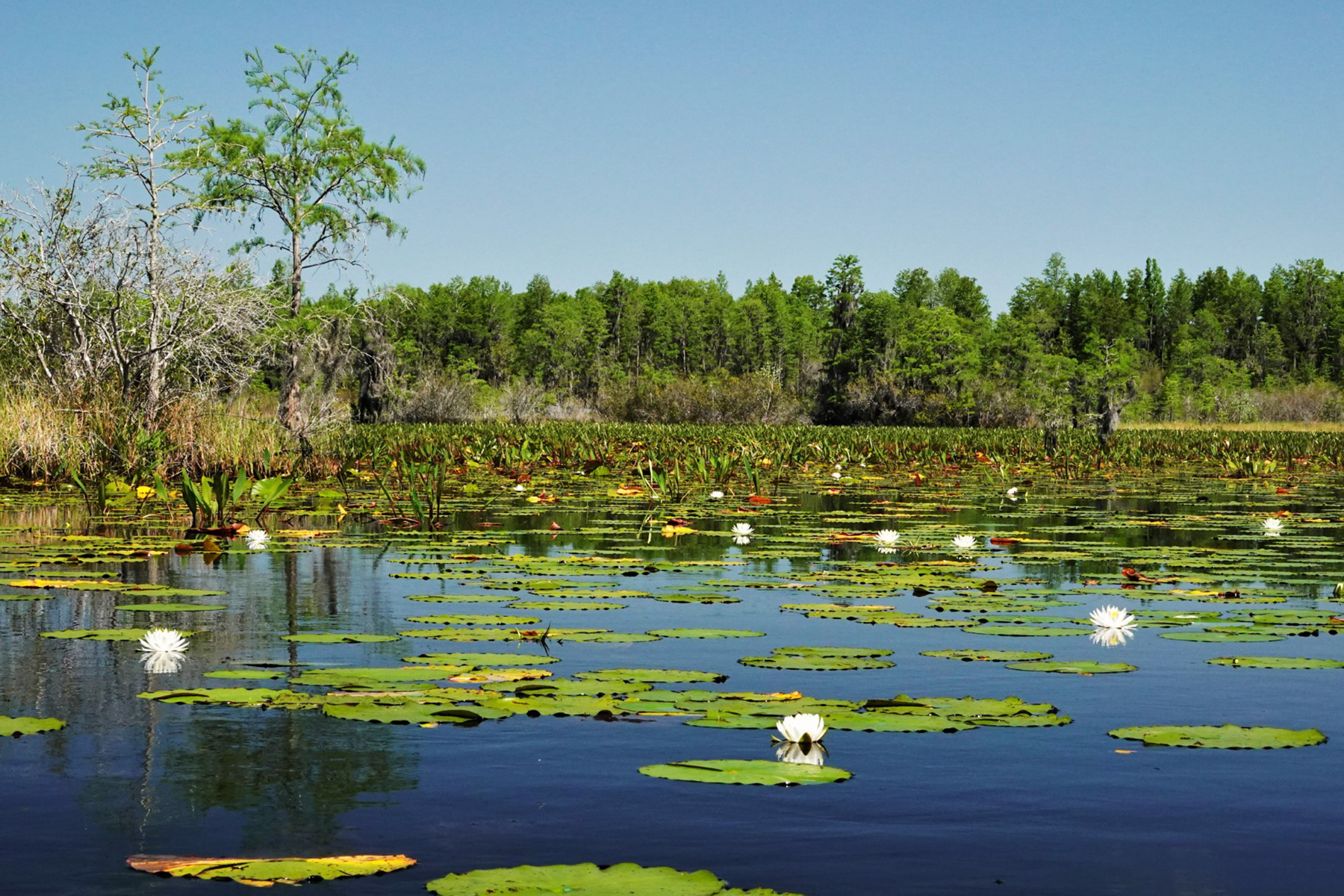
Credit: Dan Chapman, USFWS
One of the best times to explore Okefenokee’s vast blackwater swamp is definitely spring. As temperatures warm, cypress forests fill with birds, blooming plants and wildlife. You might find alligators basking in the sun and migratory birds returning to nest. Paddling through the refuge’s waterways offers a front-row seat to one of the Southeast’s most unique ecosystems.
Shenandoah National Park, Virginia
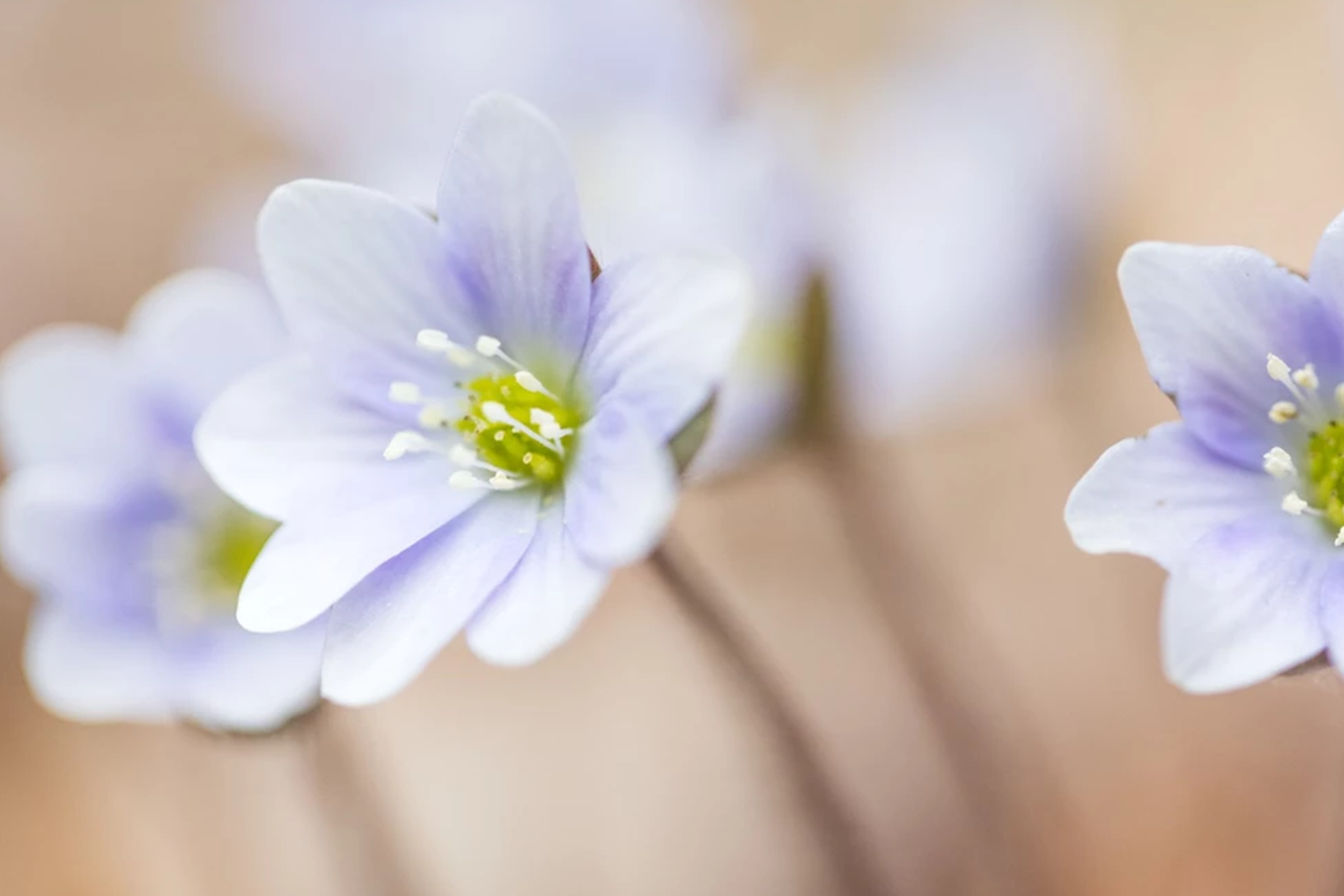
Credit: NPS
Spring in Shenandoah is a season of renewal. Forest floors come alive with early wildflowers like bloodroot and trillium (there is even a Wildflower Weekend the park hosts) while migratory birds return and trees begin leafing out along Skyline Drive. Temperatures can still be unpredictable and vary day to day—in fact, Shenandoah can even get snowstorms in the spring! Make sure you check the weather before heading out.
Mount Rainier National Park, Washington
Credit: NPS
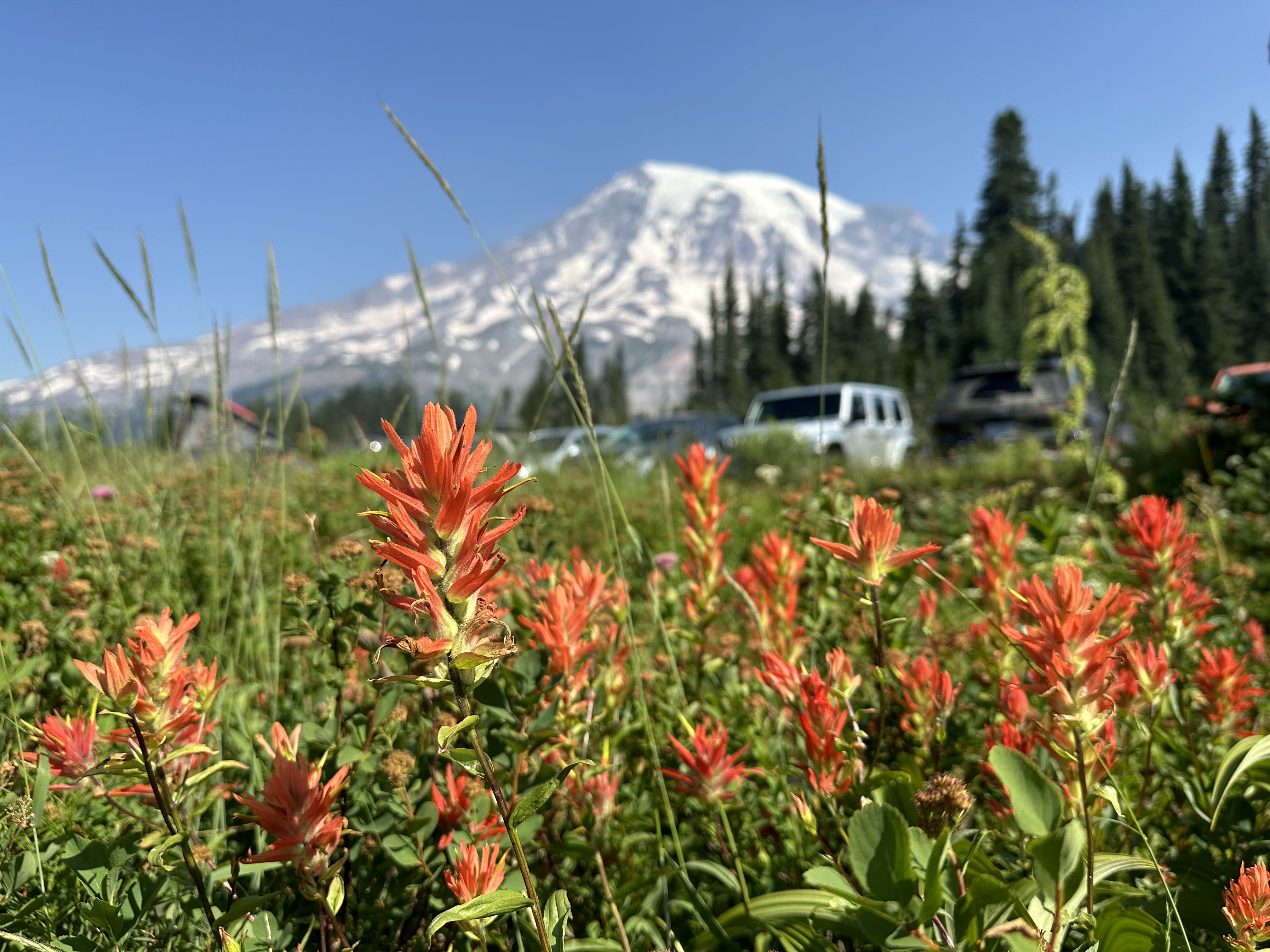
Spring also arrives slowly at Mount Rainier because of the elevation. It begins in the lower valleys while the mountain’s higher elevations remain snow-covered. As temperatures warm, waterfalls surge with snowmelt, and the first wildflowers begin to appear along trails. By late spring and early summer, colorful subalpine meadows begin their famous bloom around the park!
Crater Lake National Park, Oregon
Credit: Domenico Convertini, Flickr
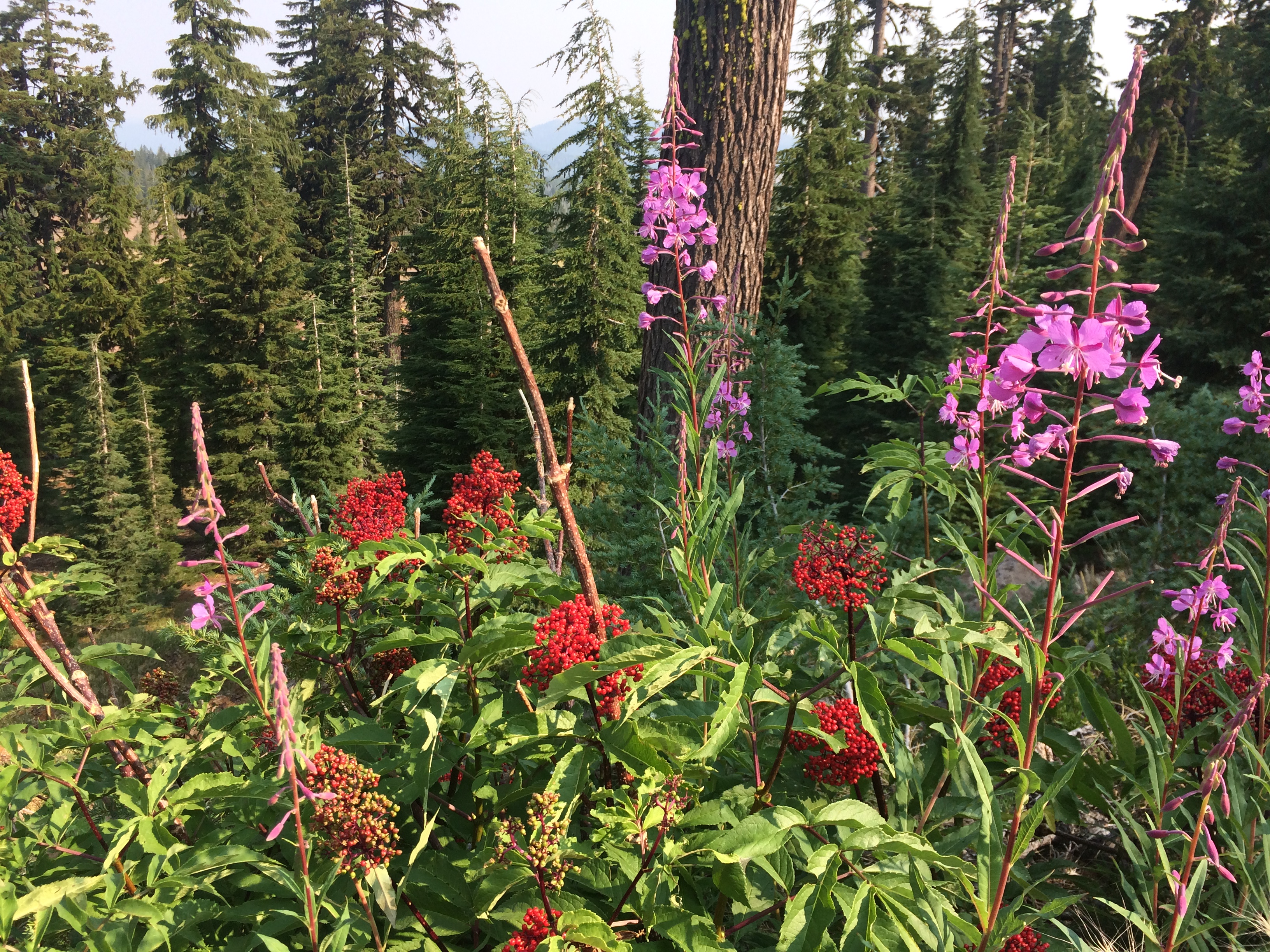
While snow can linger across much of the park, Spring brings clearer days, revealing Crater Lake’s famously deep blue waters against bright white snow and emerging greenery. Wildflowers also begin appearing at lower elevations, and the Castle Crest Wildflower Trail is a great place to see some of the more than 200 wildflower species that grow there.


