

Hello, from America’s Arctic
I’ve just returned from Alaska’s Western Arctic, and I wish I could bring each of you with me into that endless light—across the tundra, along the coast, and into a landscape so immense it recalibrates our place in the world.
Every sound came from nature: massive flocks of eiders announcing their arrival before we could see them, belugas chattering as they swam by with their calves, giant blocks of ice breaking apart.
It reminded me that the true value of America’s public lands isn’t measured by what can be extracted from them, but by what we choose to hand down within them to future generations.
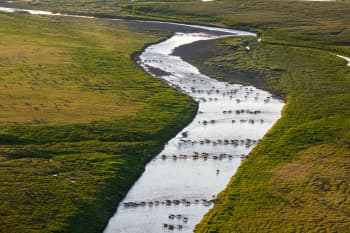
Video: Mason Cummings/TWS
Video: Mason Cummings/TWS
Our public lands have much to teach us.
The Western Arctic is America’s biggest stretch of public land, and it is also a living homeland.
For Indigenous communities, whose relationship with this landscape reaches back generations.
For caribou, birds and polar bears, and for every person who believes that some places should remain whole.
In America's Arctic, one feels tremendous beauty and scale, but also deep vulnerability and the urgency to protect this remarkable place.
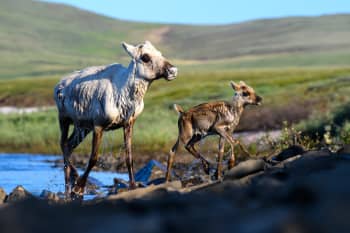
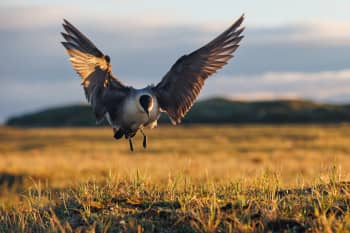
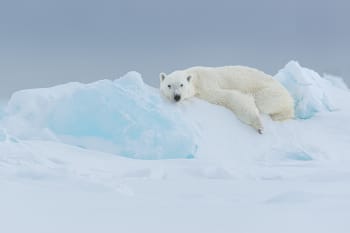
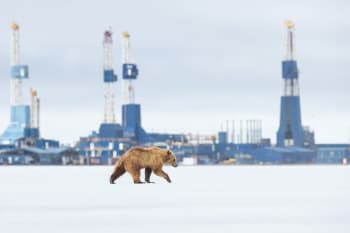
Photo: Gerrit Vyn
Photo: Gerrit Vyn
Photo: Gerrit Vyn
Photo: Gerrit Vyn
Photo: Gerrit Vyn
Photo: Gerrit Vyn
Photo: Gerrit Vyn
Photo: Gerrit Vyn
America’s public lands face grave threats.
The change I saw in the Western Arctic mirrors what is happening across the country.
Under this administration and its allies in Congress, public lands face a broad and immediate set of unprecedented threats. From mining in the Boundary Waters, drilling around Chaco Canyon, logging in our wildest remaining forests, and the deep cuts to research and firefighting staff needed to steward these places responsibly—the attacks have been relentless.
One appalling example: in July, the White House announced the largest wholesale rollback of public land conservation in history by eliminating 3 million acres of protected acreage in Utah’s Bears Ears and Grand Staircase-Escalante National Monuments.
There is much to lose if we fail to stand together.
Much will disappear if we forget what these places mean to the health of our nation and those who come after us.
The pressures in the Western Arctic are unprecedented. ConocoPhillips has pursued exploration and seismic work aimed at rapidly expanding the footprint around its controversial Willow development.
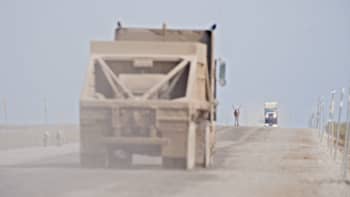
That exploration will threaten wildlife like denning mother polar bears and their cubs, who can be crushed by seismic thumper trucks seeking oil.
Meanwhile, the Trump administration leased over a million acres for potential oil and gas development, including in sensitive places long recognized for their importance to caribou, birds, clean water, and the communities who depend on them.
You are the reason they will not prevail.
Even in the face of these threats, this landscape is not a lost cause. There is reason for hope.
Earlier this summer in the Arctic Refuge—for the third time in a row—there were virtually no corporate bids for oil and gas leases. That tells us something powerful.
Public pressure, persistent advocacy, and the moral force of people standing up for irreplaceable places can change the outcome.
Hope in this work comes from the strength of standing together.
The Wilderness Society works in partnership with Tribal leaders, scientists, legal advocates, elected leaders, and you, our steadfast partners in this mission.
Public lands remind us every day that Americans can still find common ground—in shared memory, in belonging, in the freedom of wilderness, and in the responsibility to leave something whole and good for future generations.
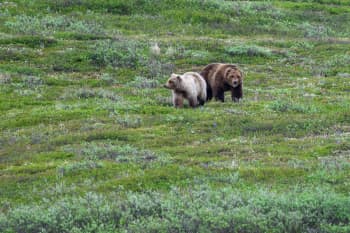
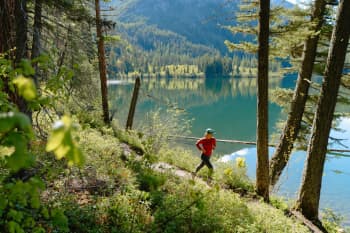
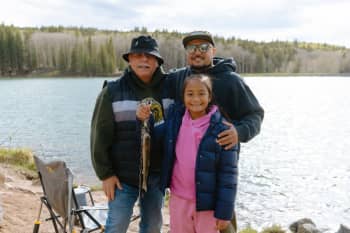
Every acre still matters. Every voice raised for protection still matters.
To every one of you who makes this work possible: thank you.
The months ahead—with a critical election—will be decisive.
Your support gives us the ability to respond quickly when threats emerge, stay persistent when the fight is long, and stand with the communities and partners who are defending lands and waters that define our shared future.
You’re not simply funding a campaign. You are part of a community that is holding the line for wild places, wildlife, and the people whose lives and cultures are bound together by these lands.
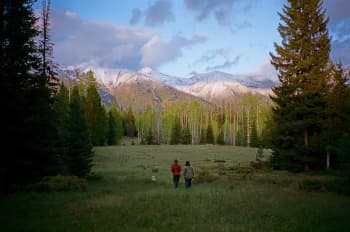
The vast landscape of the Western Arctic is still with me—its beauty, its vulnerability, and its promise. I returned more certain than ever that we can meet these challenges together.
With your continued partnership, future generations can know the freedom, wonder, and connection that wild public lands make possible.
Thank you for your deep commitment to this work.
Thank you to the conservation photographers who contributed work to this story:
Gerrit Vyn gerritvynphoto.com Peter Mather petermather.com
 Built with Shorthand