
The Arctic Mine and Ambler Road: One Industrial Project, Far-Reaching Consequences

Ambler Road Corridor in the Brooks Range
Robert Lester and Ben Kaden
The Arctic Mine and Ambler Road are inextricably linked projects in a larger industrial scheme that could transform one of America's largest intact landscapes.
The Arctic Mine is a proposed copper, zinc, lead and gold mine in the remote Alaska wilderness. But without transportation infrastructure, moving materials to and from the mine would not be possible. That's where the proposed Ambler Road comes in.
The 211-mile private industrial road would cross the Brooks Range, including lands within Gates of the Arctic National Preserve, to connect to Alaska's existing transportation network. The Arctic Mine could help provide an economic rationale for the road, while the road would provide the transportation access needed to make the mine, and eventually other mining projects in the district, possible.
This is bigger than one mine or one road.

The proposed Ambler Road would stretch 211 miles across Alaska’s Brooks Range, providing transportation access to the proposed Arctic Mine and other potential future mining projects.
What’s at stake for the Brooks Range, wildlife and communities?
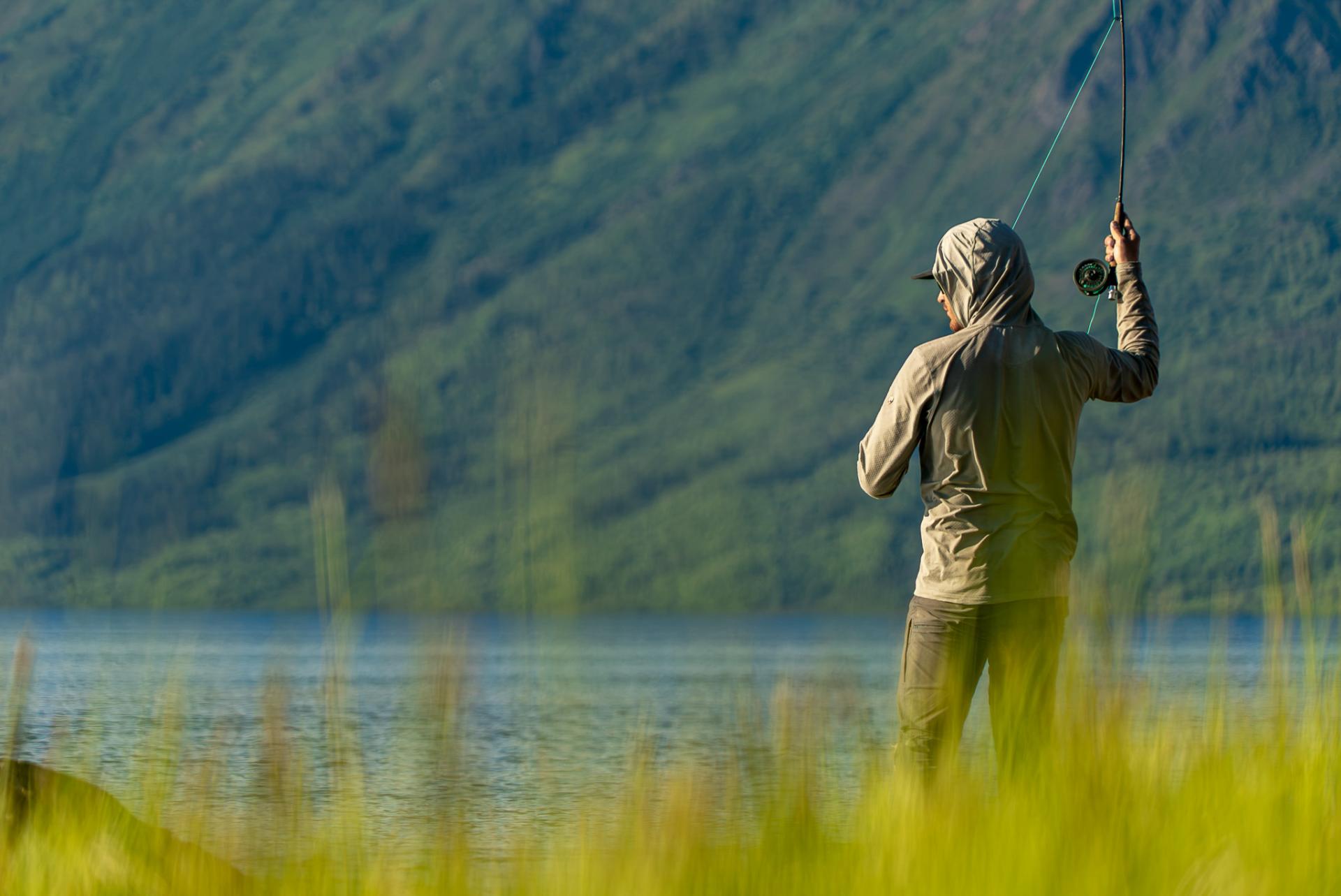
The Arctic Mine and Ambler Road could put the Brooks Range’s wildlife, clean water, wild landscapes and the communities that depend on them at risk. The Brooks Range is one of the country’s largest remaining wild landscapes, supporting caribou, fish, grizzly bears, wolves and countless other species. Its rivers and watersheds also sustain communities that have relied on the region for hunting, fishing and gathering for generations.
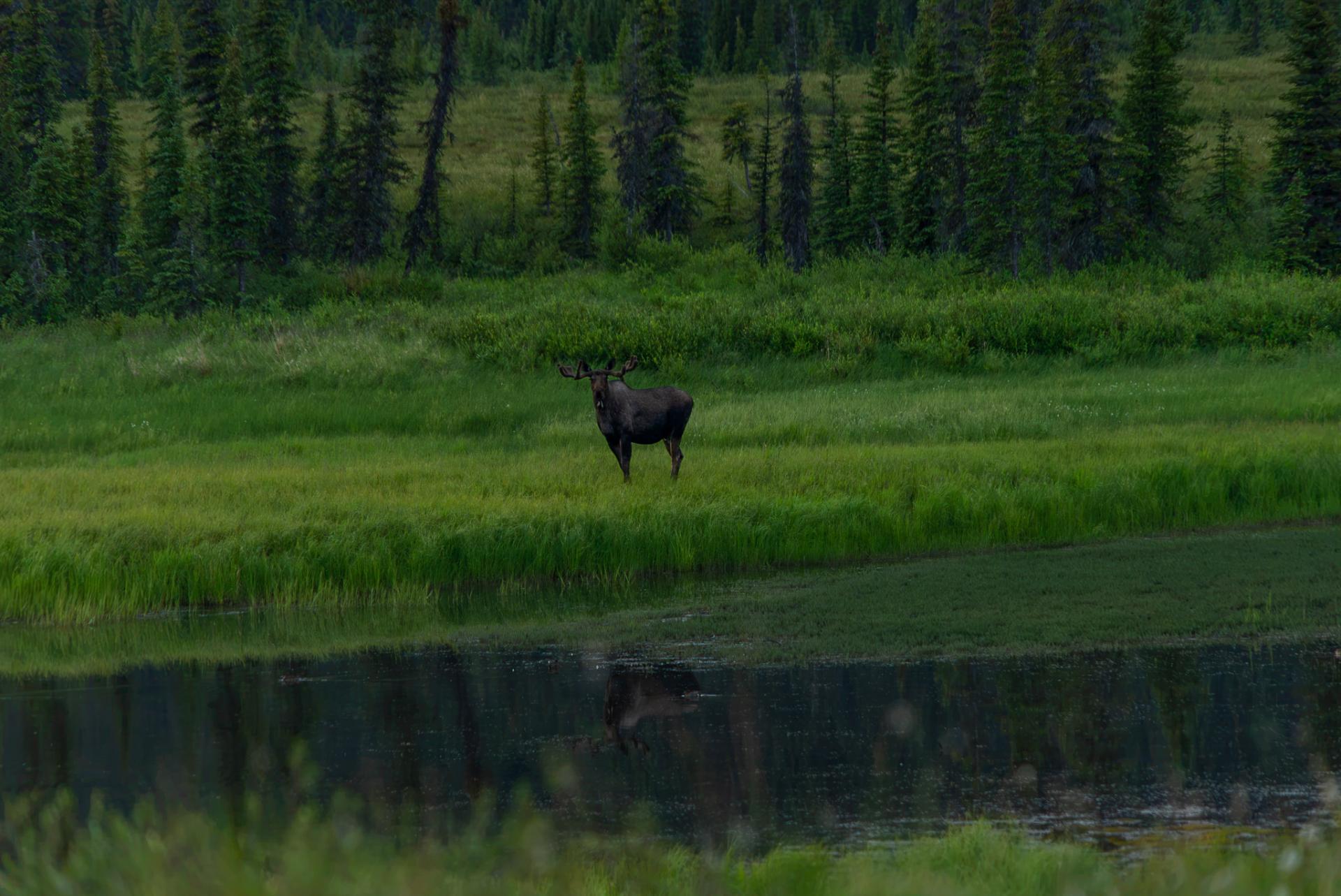
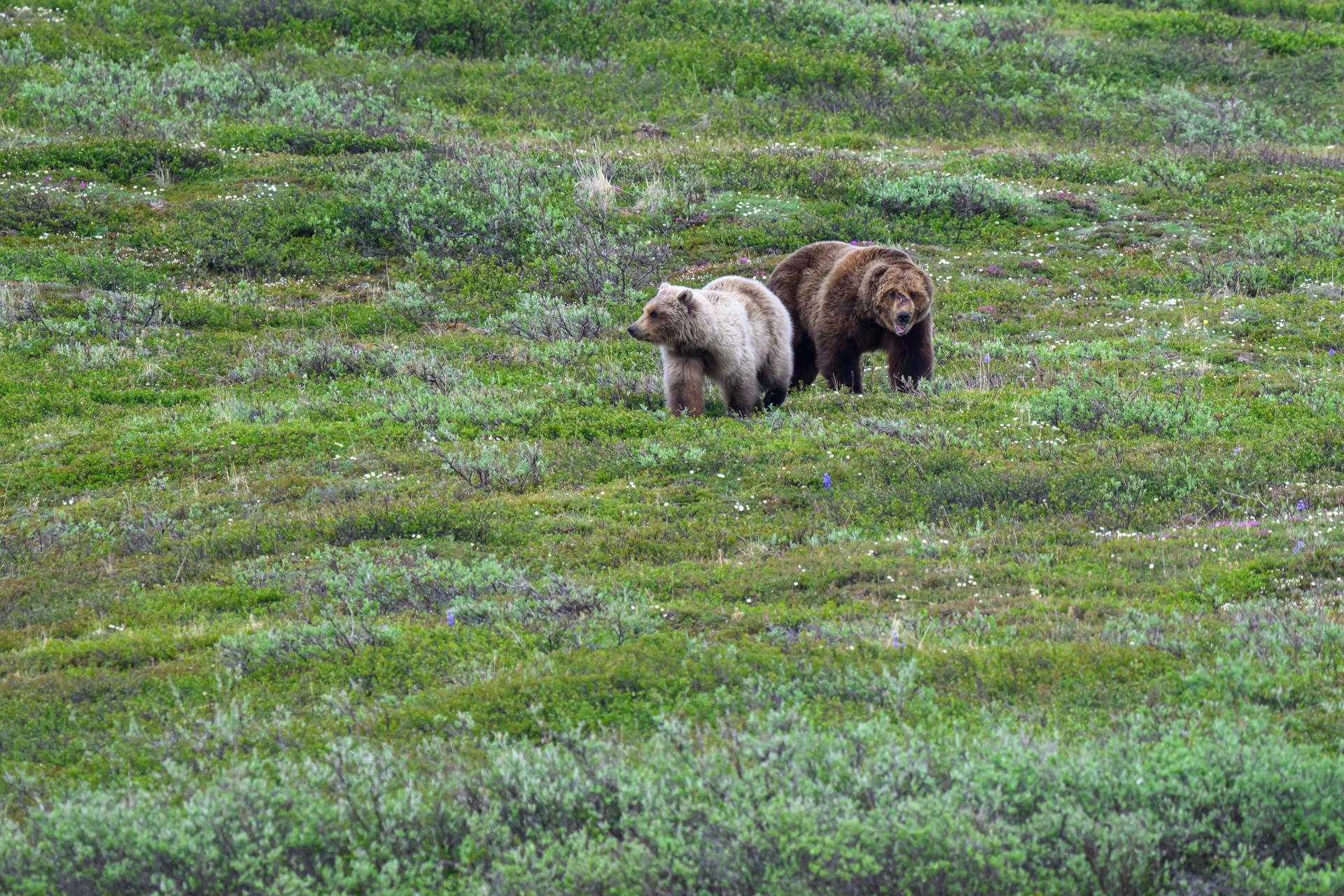
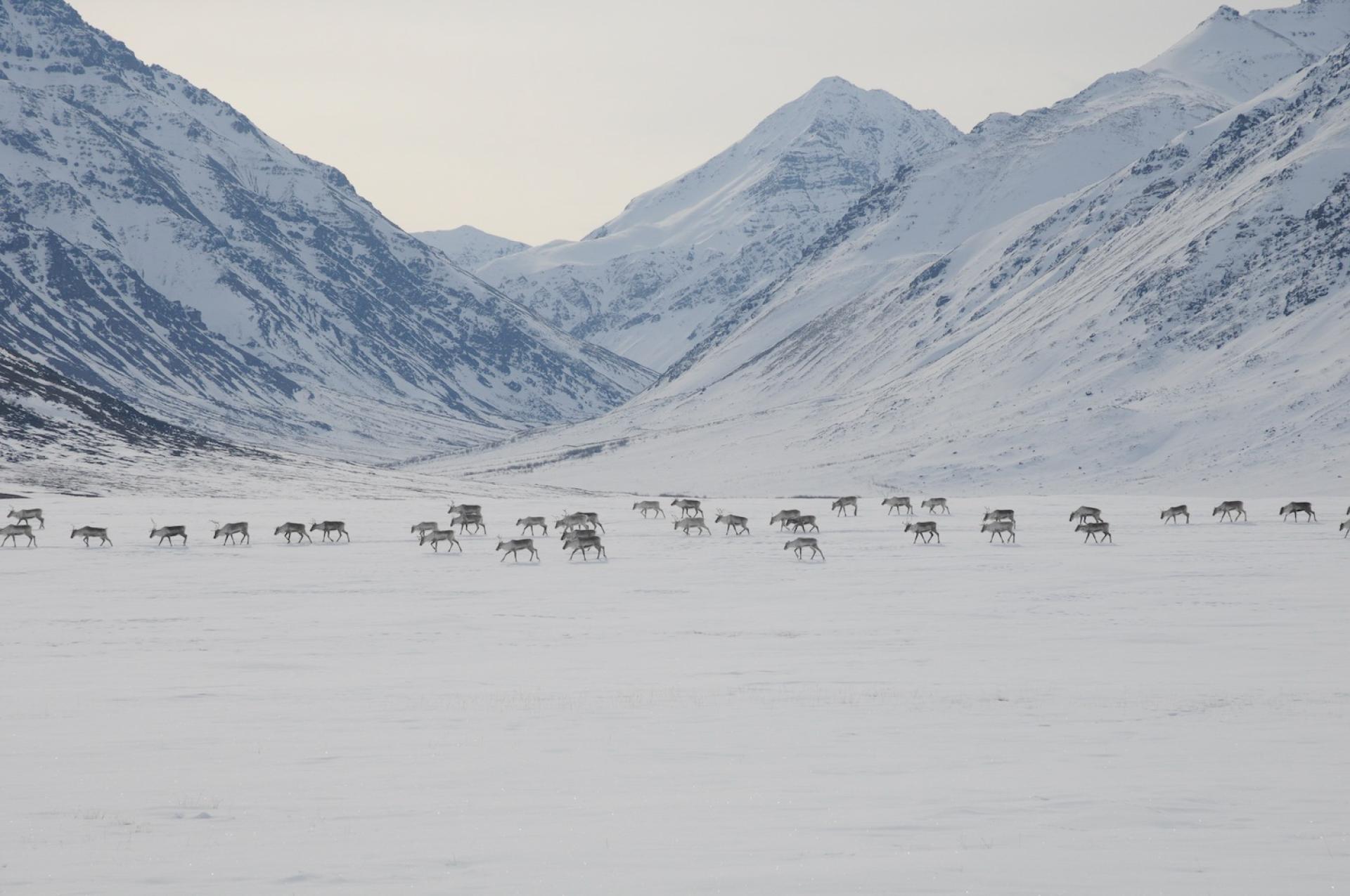
The proposed Arctic Mine would operate for about 13 years, but its impacts would last far longer. Mine waste would need to be contained for centuries, raising concerns about water quality in the headwaters of the Wild and Scenic Kobuk River. The Kobuk supports salmon, inconnu and other fish that are important to communities throughout the region.
The Ambler Road could also change the landscape far beyond the mine site. Once built, a 211-mile industrial corridor would make additional mining and development across the Ambler Mining District more accessible.
Who pays for the road?
There is a large concern about the conflict of interest of the federal government both investing in the Arctic Mine and permitting it. And with the road's estimated price tag at 2 billion dollars, there are still significant questions around how this cost will ultimately be divided among the state of Alaska, mining companies, the federal government and potentially American taxpayers.
This destructive road should not proceed without clear answers for who is going to pay for its construction, maintenance, and eventual decommissioning.

Site of the proposed Ambler Road, which goes through Gates of the Arctic National Park.
Tracy Stone-Manning
Voice your opposition
The federal government opened a 45-day public comment period that ends on November 2, 2026.
The Brooks Range is a landscape worth conserving, a place where people still have the freedom to hunt, fish and maintain connections to the land, and a wild legacy that should remain intact for generations to come.
Take action and protect the future of America's Arctic.

Robert Lester and Ben Kaden
See the Proposed Ambler Road Route in the Film "Roadless: On Foot in the Alaskan Wilderness"
For most of us, it may be difficult to imagine what 211 miles through the Brooks Range actually means. Roadless: On Foot in the Alaskan Wilderness, a documentary supported by The Wilderness Society, offers a glimpse. Filmmaker and expedition athlete Robert Lester spent 26 days traveling the proposed route on foot, documenting a landscape that few people will ever experience firsthand.
The question now is whether future generations will inherit this landscape as it exists today, or experience it only through films like Roadless.
The film is set to release online Thanksgiving weekend of this year.
